Tag: carbon

FCT at the Methane Connect Summit 2025

Image courtesy of ClimaPannonia project

Last month our Calculator Development Officer Grace Wardell was at the Methane Connect Summit 2025 in Paris, France.

Bringing together dairy supply chains, researchers and farmer representatives, the conference looked toward the practical realities of reducing on-farm enteric methane (CH₄) emissions – with a lot of the talk around feed additives, good quality silage and the trend towards insetting within the dairy industry.

The science behind reducing enteric methane

With talks from leading researchers such as Dr. Andre Bannink (Senior Scientist on Ruminant Nutrition & Mathematical Modelling at Wageningen Livestock Research), a recurrent focus was the correlation between feed quality and methane reduction. The consensus is that by increasing the organic matter digestibility of the feed, you can tweak the rumen microbiome, which results in less enteric methane being produced.

  • Silage Quality: Good quality silage is key to reduction – an increased digestibility of silage and forage = reduced methane. Specifically, the “1st cut” of silage is noted for being the highest in omega-3s.
  • The Power of Fats: Fatty acids and omega-3s significantly affect the rumen microbiome. Research suggests that a 1% increase in fat in dietary dry matter (DM) can lead to a 4–5% reduction in methane.

Feed additives: beyond Bovaer

While there was some discussion regarding NOP-3 (Bovaer), the conversation was heavily dominated by other additives, particularly the role of using linseed/flax or other plant-based feed additives to reduce enteric methane. Danone, for example, is conducting trials to see if a 9% reduction in enteric CH4 can be achieved and integrated into their supply chains. Other research showed evidence of published studies that outlined ~9% reductions. Outlined below are two feed additives that were discussed on the day:

Product NameActive ingredientApplicationImpact (CH4 reduction)Notes
Agolin‘Blend of essential oils’1g/head/day mixed into mineral feedAlters rumen microbial activity reducing CH4 by 8.8%Used in Mooh’s offsetting carbon credit scheme for reducing enteric methane emissions. There may also be other health benefits.
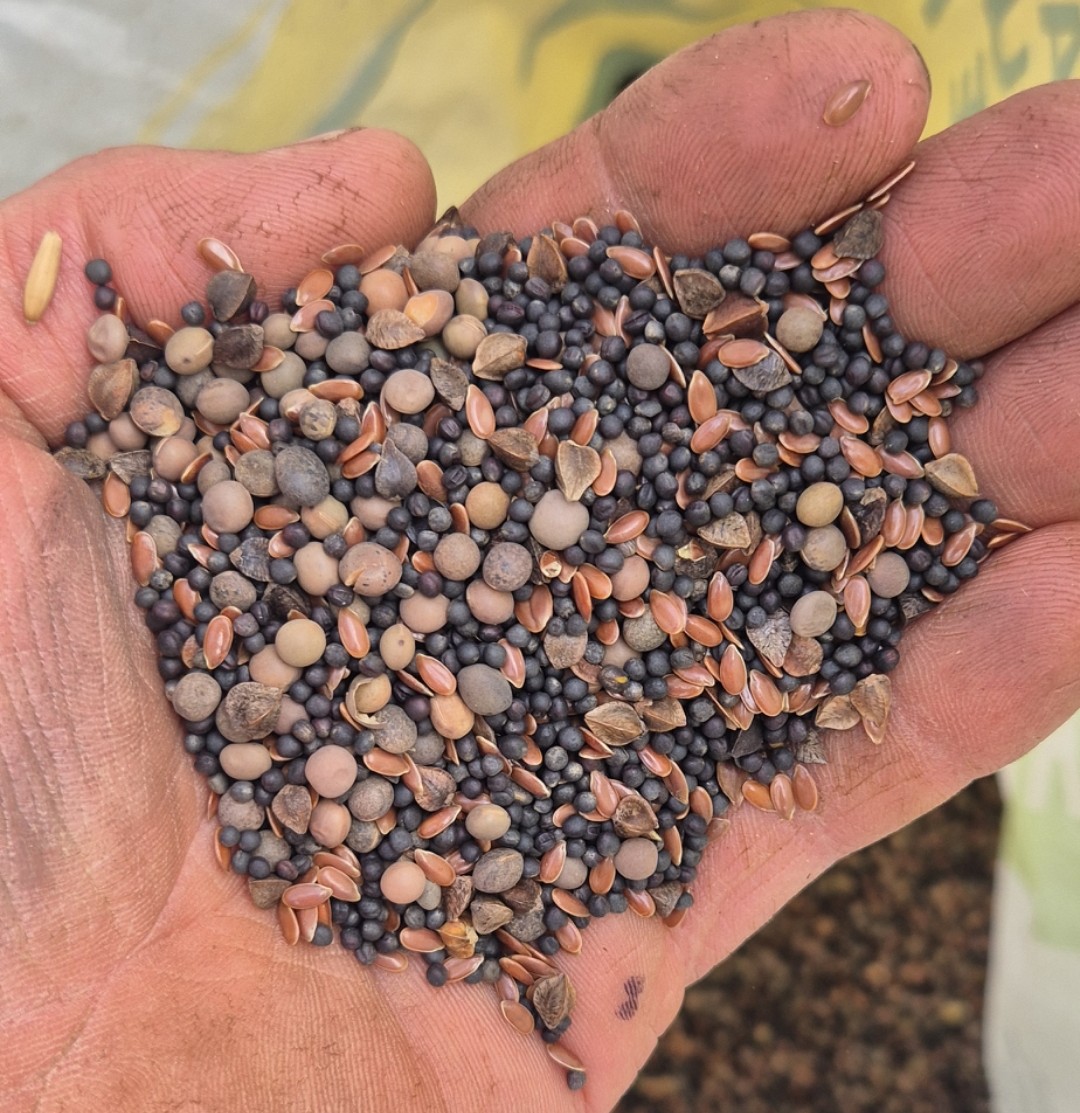
TradilinPressure cooked Linseed~500g/head/dayLeads to a progressive release of omega-3 in the rumen of dairy cows, mimicking the behaviour of fresh grass. Reduces CH4 by 9%Other health benefits beyond CH4 reductions include:

• increased milk production (1.5-3 litres more milk per cow per day
• -10% ketosis and -3% metritis
• -10 days of calving interval
• 5 – 11 days earlier first calving for the heifers born from a cow fed Tradilin

Feed additive products that mitigate EM

Rewarding farmers – the financial benefits of insetting vs offsetting

One of the emerging trends at the conference was the dairy industry’s shift toward insetting emissions reductions within the dairy supply chain. However, there was also evidence of carbon credit offsetting schemes that had been set up by dairy supply chains to reward their farmers for undertaking measures to reduce methane. If you’re unsure about the distinction between these two financial avenues, check out our report on the Voluntary Carbon Market and the implications for farmers.

Outlined below are some key takeaways in the comparison between Arla’s insetting-based incentive model and Mooh Coop’s offsetting-based incentive model:

Arla insetting based incentive model

  • Arla’s sustainability roadmap is heavily based on SBTi targets – where 97% of their emissions are Scope 3
  • 10% of their emissions reduction targets for on-farm mitigation strategies are around feed additives 
  • They have their own Farm Ahead tool to measure carbon footprints and other sustainability measures on farms
  • They use a points based system across a range of farm metrics (not just carbon) to reward their farmers with payments, utilising 5 big KPIs to rate the farms

Mooh Coop offsetting based incentive model

  • Farmers who use the Agolin feed additive can monetise their emissions reductions by generating reductions carbon credits
  • Mooh use the Verra carbon standard methodology for enteric methane reductions, and liaise with South Pole to help help sell the credits
  • This can be a relatively long process process ~ e.g. 1 year
  • Mooh anticipates sales, so they pay farmers upfront and get paid back once the credits are sold
  • Farmers sign an agreement that states they can’t claim to have reduced their carbon emissions and milk that’s sold is not marketed as low carbon to avoid double counting
  • 500 active farms – total of 20,000 cows in scheme
  • Mooh acknowledged that the dairy industry is going more towards insetting

Data quality and trust in carbon tools

Dr Eleanor Durrant from Cool Farm Tool also did a short talk on the LUNZ project (Land Use for Net Zero), a multi-partner collaboration we’re proud to be part of with Agrecalc and researchers at Cranfield University and the University of Gloucestershire. This project aims to develop and evaluate a scalable, auditable farm and food-level GHG accounting framework for UK land use.

You can read more about our latest improvements to the FCT Calculator and how we are keeping it up to date with the latest science here.

Are Carbon Credits the UK’s Next Crop to Harvest?

Farm Carbon Toolkit release a new report for farmers and land owners which explains the Voluntary Carbon Market and additional climate-friendly farming income streams.

The voluntary carbon market (VCM) has grown in recent years, but many still find the route to accessing the markets unclear and shrouded in uncertainty. Recent research also suggests that conversations around the VCM are polarising and particularly hard for farmers to decode. The VCM is an actively developing market that requires weighing up the potential risks and benefits before participation to ensure reputational and financial risk to a farm business has been considered.

Click to download your copy of the report. © Farm Carbon Toolkit, 2025

In the report we provide information on various carbon credit types, discuss the differences between carbon insetting and carbon offsetting schemes and provide an overview of how to assess the quality of schemes. We also list relevant schemes operating in the UK agricultural sector and make recommendations. Download the report to read more.
Contents

  • What is the voluntary carbon market?
  • Why get involved with the sector?
  • The Risks of VCM Participation
  • Projects operating in the UK agricultural sector
  • Responsible reporting of carbon reductions, removals and credits
  • Other public and private finance options.

Authors

Dr Grace Wardell, Dr James Pitman, Dr Lizzy Parker, Becky Willson, Samuel Smith, Tim Dart, Liz Bowles


We are grateful to the Centre for High Carbon Capture Cropping (CHCx3) for supporting Farm Carbon Toolkit to produce this report. CHCx3 is a multi-partner research project helping UK farmers to increase carbon capture and farm resilience through diversified cropping, enabling new income sources and supporting enhanced value chains for industries.

CHCx3 is funded by Defra under the Farming Futures R&D Fund: Climate Smart Farming (project 10042535). It forms part of Defra’s Farming Innovation Programme, delivered in partnership with Innovate UK. www.carboncapturecropping.com

We would also like to thank the following for feedback on the first draft and contributions to the final report

  • Dr Lydia Smith – Project Lead of the Centre for High Carbon Capture Cropping (CHCx3), NIAB
  • Megan MacGillivray – 3Keel
  • Julian Gould – Farm Manager at Hendred Estate
  • Kitty Grubb – Previous roles at Regenified and Agreena
  • Dr Jonathan Scurlock – National Farmers Union of England and Wales (NFU)
  • Andrew Adler – Non-executive Director FCT, Veterinarian and Consultant
  • Andrew Rigg – Non-executive Director FCT and Arable Farmer.

For more information about carbon credits in farming check out our popular piece on getting paid for carbon.

Don’t know where to start with the Voluntary Carbon Market? Read our latest report

Cattle shelter under a large oak in the hot summer.

The Voluntary Carbon Market has surged in recent years, offering UK farmers and landowners potential new income streams for adopting climate-friendly practices. However, for many, the path to accessing this market remains unclear.

Farm Carbon Toolkit have produced a report that aims to demystify the Voluntary Carbon Market (VCM), providing an overview of carbon credit types, scheme integrity, and the risks involved, helping you weigh the potential benefits against the challenges before participating. Some of the topics in the report are summarised below, for more detail read the full report.

Click to download your copy of the report. © Farm Carbon Toolkit, 2025

The VCM: A Climate Finance Mechanism

The VCM is a decentralised platform where companies, individuals, and organizations can purchase carbon credits to offset their emissions. Each credit represents a reduction or capture of emissions equal to one metric tonne of CO2 equivalents (CO2e).

Since agriculture is currently excluded from the Compliance Carbon Market (CCM) in the UK (like the UK Emissions Trading Scheme), the VCM is the primary venue for activities that remove and store carbon in biomass and soils through sustainable agricultural activities or nature projects.

Types of Carbon Credits

To generate credits for most schemes, you’ll first need to accurately baseline your operations. Credits are generated based on the measurable change from that baseline. These credits typically fall into three categories:
Different types of carbon credits: Reductions, avoidance, removals.
Carbon removal projects tend to fetch higher payments per tonne of CO2e because they actively remove carbon. However, they demand a high level of monitoring and verification, often requiring direct soil measurements at five-year intervals to evidence the permanence of carbon stocks.

Process of setting up a VCM project

The process of setting up a VCM Project through planning and development, registration and implementation, and issuance and retirement.

Offsetting vs. Insetting: Which Path is Right for You?

A scheme that generates carbon credits that are sold outside of your value chain is known as carbon offsetting. However, an alternative has emerged in recent years, whereby climate friendly farming is financed by actors within your value chain. This is known as carbon insetting and is not considered to be part of the VCM, however we discuss it within the report to provide a full picture of what initiatives are available to farmers and landowners. Therefore a key decision involves who buys your credits:

  • Carbon Offsetting: This involves generating carbon credits and selling them outside of your value chain to unrelated buyers (e.g., a telecoms provider). This is considered ‘Beyond Value Chain Mitigation’ (BVCM).
  • Carbon Insetting (or WVCM): This is where a farm’s supply chain (like a processor or retailer) finances carbon improvements on the farm. Although not technically part of the VCM, insetting projects are often thought to offer the most promising avenue for successful, transparent, and verifiable climate impacts. Some carbon insetting schemes will produce carbon credits, however most, particularly with your direct downstream supply chain, will not.

Insetting allows both the farmer (Scope 1) and the supply chain company (Scope 3) to reflect the reductions or removals in their GHG inventories. These projects are believed to strengthen supplier relationships and enhance credibility due to improved traceability. The set up of these schemes may not look like other carbon offsetting schemes and are likely to not produce credits but provide direct value, see section 1.4 in the report for more detail.

Navigating the Risks and Ensuring Integrity

Participation in offsetting schemes comes with crucial risks that farmers must assess:

RiskDescription
Price VolatilityFluctuating carbon credit prices may not always cover the costs of significant management shifts.
Long-term ContractsCommitments can range from 3 to 50 years, potentially restricting future land-use choices.
Carbon ReversalsCarbon gains can be lost through natural disasters, unpredictable weather, or mismanagement. Schemes often use a central buffer pool to insure against these losses.
AdditionalityProjects must prove that reductions/removals would not have happened without the project, which can often exclude early adopters of sustainable practices.
LeakageAn emissions reduction in one area causes an increase elsewhere (e.g., repurposing grain land leads to grain being grown elsewhere).
Reputational RiskFarmers face potential reputational damage if their credits are linked to corporate ‘greenwashing’.

To instill confidence and integrity in the VCM, farmers should look for schemes that adhere to the highest standards. The Integrity Council for the Voluntary Carbon Market (ICVCM) has developed the Core Carbon Principles to help buyers identify high-integrity credits. These principles ensure that credits create real, additional, and verifiable climate impact. The ICVCM publishes online what carbon standards and their methodologies align with the core carbon principles, however most are still undergoing review.

It is also vital to practice responsible reporting. If you sell a carbon credit, you can no longer claim that reduction or removal toward your own business’s net-zero targets, as this would constitute double counting.

UK Projects and Finance Alternatives

There are a number of schemes available in the UK agricultural sector for a diverse array of activities including; regenerative practices in arable farming, woodland creation, peatland restoration, feeding cows alternative natural feeds and directly measured increases in soil organic carbon (see Table 4 in the report for further details).

The established, government-backed standards like the Woodland Carbon Code (WCC) and the Peatland Carbon Code (PCC) provide clear methodologies for carbon removals and reductions associated with these land management activities. While there was investigation into a potential UK Farm Soil Carbon Code, we provide an update on why it is no longer under development, alongside other UK carbon codes such as the Hedgerow carbon code in Box 1. 

Beyond the VCM, farmers can access other income streams for sustainable farming and environmental land stewardship:

  • Government Schemes: Examples include the Improved Sustainable Farming Incentive (SFI) in England (set to open early 2026), Scotland’s Agri-Environment Climate Scheme (AESC), the Sustainable farming scheme (SFS) in Wales and Northern Ireland’s Farming with Nature Transition Scheme (FwNT).
  • Biodiversity Net Gain (BNG): Developers pay land managers to create or enhance habitats to offset ecological impacts. An example of the type of finance available from a BNG project is provided in Box 3 in the report.

Key Takeaways for Farmers

Before entering the VCM, we advise the following recommendations:

  1. Scrutinise Schemes: Employ a high level of scrutiny and look for schemes that follow the ICVCM’s Core Principles or Oxford Offsetting Principles.
  2. Know Your Buyer: Ask who will purchase the credits to determine if it aligns with offsetting or insetting, and whether this aligns with your values.
  3. Investigate Full Costs: Determine the complete costs of participation, including monitoring and verification services, as these can impact your net revenue.
  4. Measure Now: Even if you are undecided about selling credits, there is no better time to start measuring the carbon in your soils.
  5. Avoid Double Counting: If you sell a carbon credit, you can no longer claim that reduction or removal towards your own business’s net-zero targets.
  6. Retain Credits: Consider retaining any generated credits to meet your own farm’s net-zero targets.

The Centre for High Carbon Capture Cropping logo

This work was funded by the Centre for High Carbon Capture Cropping (CHCx3). CHCx3 is a multi-partner research project helping UK farmers to increase carbon capture and farm resilience through diversified cropping, enabling new income sources and supporting enhanced value chains for industries.

CHCx3 is funded by Defra under the Farming Futures R&D Fund: Climate Smart Farming (project 10042535). It forms part of Defra’s Farming Innovation Programme, delivered in partnership with Innovate UK.


For more information about carbon credits and the Voluntary Carbon Markets in farming check out our popular piece on getting paid for carbon.

The power of perennials

Apples

By Jonathan Smith, FCT’s Impact Manager

As I was harvesting apples this weekend in an orchard that’s 15 years old, I was marvelling at how apples, and more widely perennial crops, produce food for us with really minimal input.

A sackful of high quality Pinova apples

In this particular orchard, the management I do is mowing or strimming four times a year, pruning trees in winter, hedge cutting in winter…and that’s more or less it. This orchard is planted on Grade 4 land with soil that is light, shallow and with a slight Northerly aspect. It has produced 2/3 of a tonne of apples over 2/3 of an acre this year. Whilst it’s a good year for apples, this orchard consistently produces good amounts of fruit. 

The spread of over 25 varieties means any particular variety that crops poorly one year doesn’t impact overall yields too much. Within this, all the varieties are selected for disease resistance (particularly to canker and scab), as well as taste, vigour and genetic diversity, 

Much of the fruit will go for juicing, or cider, but much of it is very high quality eaters and cookers that can be stored for months. It is amazing what you can produce on a small area with very little input from humans.

A functioning ecosystem

Orchards are perhaps our best example of agroforestry at work. Existing for hundreds, maybe thousands of years they embody the intercrop between fruit, pasture, livestock and a wide range of biodiversity. Traditional orchards are some of the most biodiverse places in the farmed landscape. Even in more intensive orchards they can be managed for wildlife and carbon sequestration alongside fruit production.

Birdsfoot trefoil is one of the species thriving in this orchard, providing forage for bees

In this particular orchard, and other small orchards on my farm, the land supports lots of butterflies, bees, birds and a wide variety of flora. No chemicals are used and there are actually no fertility inputs. The only machinery used is a mower and a strimmer. There are actually no fossil fuel inputs to the entire system – the machines are electric and we even transport the apples using an electric vehicle! Is this actually the future?

An electric strimmer, one of the few tools used in the orchard

I appreciate this isn’t a fully commercial operation and that in a commercial orchard there needs to be a focus on yields, quality, storage, processing, etc. However in some ways it encapsulates the debate on extensive versus intensive. Extensive growing systems mean low inputs, high biodiversity and moderate production levels. There is a whole debate to be had too around the nutritional quality v quantity of crops. 

In addition to low emissions from any machinery or inputs, perennial crops (encompassing many fruits and nuts) also sequester carbon in both the soil and trees. Furthermore, a lack of cultivation means soil organic matter isn’t being oxidised, furthering the potential for carbon sequestration in soils. This is not so far away from a natural ecosystem, which inherently are large carbon sinks. 

Agroforestry systems

Traditional top fruit orchards, often with livestock grazing underneath, are timeless examples of a farming system that produces fruit for eating, drinking, and feeding to livestock, as well as seasonal grazing. What hasn’t been grown more widely across the UK are nut groves, such as cobnuts, walnuts and sweet chestnuts. These bring the opportunity to bring protein into our diets as well, but it also requires something of a cultural shift to have more edible nuts in our diets.

The argument I would make is that we can successfully move away from simply fields of grass into agroforestry systems with relative ease, and that livestock and trees are perfectly compatible given the right planning. There are new skills to learn, equipment to buy and markets to access, but these are achievable. In return it would bring a fundamental shift in our landscapes with more carbon being sequestered, shade being provided, diversification of farm produce, and habitat being created.

Cereals grown as alley crops between hazel at Wakelyns Agforestry in Suffolk

However there is also an opportunity to integrate vegetables, other fruits and even arable into agroforestry systems – as has been successfully done at places like Wakelyns Agroforestry in Suffolk. The common thread here is that trees have enormous benefits in agricultural systems and really require very little input from us relative to the benefits that they can bring in terms of diversity of crops, biodiversity, carbon sequestration, water storage and landscape benefits.

Because these systems don’t require much, if any, cultivation, require few inputs, they bring a sort of stability to the land in a way that annual crops don’t. More perennials are something that previous generations would have seen as normal, and their reduced presence in our landscape is a relatively recent thing. Here’s me hoping for the return of perennials in our farming systems which bring real benefits to us all, and for generations to come.

Why Care About Carbon?

By Katie Shaw and Jonathan Smith

Actions that cut carbon emissions  often reduce costs – fuels and artificial fertilisers being the obvious examples. But on the other side of the equation, improving soil health – for instance by reducing cultivations and building soil organic matter, also results in more carbon being sequestered in farm soils. When soil organic matter increases, so does crop health, biodiversity, water holding capacity, resilience to floods and droughts, and in some cases water management for the wider landscape. There are multiple benefits, with carbon reductions being perhaps a secondary benefit to a range of improved business resilience measures.

Here are nine reasons why farmers and growers should care—and why it’s central to building resilient, profitable and sustainable businesses.

1. Economic benefits

Reducing farm emissions is often good for the bank balance. High-carbon inputs like fuel and fertiliser usually carry a high cost; by cutting emissions, you can often cut costs too. Caring about carbon can also create new business opportunities, with sustainability incentives from governments and organisations becoming increasingly common.

2. Improve soil health

Practices that build soil carbon improve soil health. Soil carbon fuels beneficial microbes that supply crops with essential nutrients. Healthier soils support higher yields with the same (or fewer) inputs, making land more productive and profitable. Strong soil health also safeguards fertility for future generations.

3. Highlight inefficiencies on farm

Our free Farm Carbon Calculator is a powerful management tool, helping farmers and growers to undertake a ‘carbon audit’ and identify wasteful (and costly) activities. High-emission items usually have a high price tag; tackling inefficiencies improves both your finances and your farm’s carbon footprint. 

4. Improve farm resilience

The climate crisis drives many of the challenges farmers face today. Carbon-smart practices can help farms adapt to:

  • Local climate impacts (droughts, floods, heatwaves and other extreme events)
  • Input price fluctuations
  • Policy changes
  • Shifting markets. 

5. Producers as part of the solution

Agriculture produces much of the world’s methane and nitrous oxide, but it can also be a major part of the solution. Farmers and growers can reduce their own emissions and even absorb carbon from the atmosphere — supporting global climate action while ensuring the long-term sustainability of their farms. 

6. Help your country meet climate commitments

The UK, for example, is legally committed to net zero greenhouse gas emissions by 2050. Landowners and businesses will increasingly need to show evidence of action. Starting carbon audits now can put you ahead of future regulations that require monitoring and reduction. 

7. Support supply chain commitments

Food businesses are under pressure to decarbonise, and supply chains are favouring low-carbon products. Some merchants, co-ops and buyers may even offer incentives for farms that measure and cut emissions. Farmers and growers who can demonstrate progress may secure stronger market demand and opportunities. 

8. Engage positively with the public

Carbon is measurable — a clear way to show change over time. This helps build a positive narrative and public trust in farming. With customers increasingly interested in the footprint of their food, farmers and growers have a chance to share how agriculture is working to reduce impacts. 

9. Support biodiversity

Farms are uniquely placed to promote biodiversity and create habitats for wildlife. Diverse ecosystems bring practical benefits like healthier soils, natural pest and disease control, pollination and greater climate resilience. They also connect people with nature, support wellbeing and provide beauty to be shared.

How We Can Help

At Farm Carbon Toolkit, we’ve been working on this for over 15 years. We can provide independent, practical support to help you start—or continue—your carbon journey.

Our free Farm Carbon Calculator is designed specifically for farmers and growers, and we run events, share guidance and offer advice to support action on the ground.

Wherever you are on the journey, we’re here to help. The important thing is to get started.

GET IN TOUCH: Email us at info@farmcarbontoolkit.org.uk

Find out more about Our Services

How to make better compost

By Hannah Jones, FCT Senior Soil and Carbon Advisor

What is composting?

Let’s take a step back and consider composting. A process that can convert ‘waste’ organic materials, which may contain weed seeds and pathogens, into a highly valued resource for farmers, growers and gardeners. There is no universal strategy to handle compost, but we know that compost is good. Any handling, movement or change in conditions of the compost pile will influence what microbes are present.

Composting techniques

The means of compost waste handling needs to be designed based on what you want to achieve in addition to the time and resources available. There are multiple books available which provide details on the multiple composting techniques available. However, very simplistically bacterial-dominated compost is achieved with frequent turning of pile which generates a lot of heat from bacterial activity. A blend of ‘green’ and ‘brown’ material provides the balance of relatively low carbon to nitrogen food sources for microbes.  This form of composting produces usable compost within months. 

However, if you wish to have a compost dominated by fungi, don’t turn it and use a higher amount of ‘brown’ fraction thus increasing the carbon to nitrogen ratio. Fungi can break down waste with less available nitrogen than bacteria, which is why wood-dominated waste left in a heap will break down even when there is no manure or higher nitrogen waste in it. The fungal hyphae need to stay intact and turning will destroy the mycelial network. 

A Johnson-Su bioreactor. Credit: www.regenxer.com

The Johnson-Su composting technique is a classic method for creating this type of compost. However, it should be noted that mycorrhizae fungi, which are the nutrient and water harvesting symbionts of a range of plant species, will only thrive when attached to a root. Composting will not increase mycorrhizae directly but non-disturbed soil, which is rich in organic matter, will favour them in the presence of a diverse range of plant species. 

Dealing with weeds and pathogens

Some organic waste material may contain persistent weeds and pathogens. Composting can be carried out to create a bacterial furnace that can easily reach temperatures of 60℃ or more. Frequent turning stimulates bacterial activity, and the heat-releasing degradation process warms the compost and effectively kills weeds and pathogens. 

When compost reaches 60C pathogens and weed seeds will be broken down

At Heligan Gardens in Cornwall, as part of the compost Innovative Farmers FieldLab with  Farm Net Zero project, waste streams can now be managed where no docks, oxalis, bind weed or vegetable diseases survive the composting process. Weekly turning of the compost piles over multiple months generated the heat to deal with pests and diseases. Careful turning is needed to make sure all compost gets heated in the middle of the pile over the composing process. Beneficial microbes  are then able to re-infest the cooling compost to create a stable product.

Compost bays at the Lost Garden of Heligan. Piles are turned weekly with new waste entering the stream on the right hand side.

Compost is commonly used as a soil conditioner, providing a water retentive mulch as well as a food source for soil microbes. The quality of lettuces was maintained for longer in the Heligan field lab trials during a period of drought.

Greenhouse gases from compost

Uncovered and turned compost can release considerable amounts of carbon dioxide and nitrous gases. Bokashi composting, a technique not dissimilar to making silage, which uses lactic acid bacteria as an inoculum, can conserve 99% of carbon compared to just 25% in standard composting. Furthermore, in  the same experiment 93% of the nitrogen was retained compared to 38% of the control3. This compost is dominated by lactic acid bacteria as a consequence of the oxygen-free environment and so is a process for preserving nutrients rather than specifically aimed at multiplication of desirable organisms. Application of bokashi to the soil will supply the nutrients, but the influx of more non-harmful bacteria can stimulate the soil food web as the lactic-acid producing species are consumed.

Bokashi composting system. Credit: www.agritron.co.uk

Experts of soil microbes advise inoculating seed with your desirable microbes rather than the soil. Based on the 10 billion/gram estimate in one gram of soil, the seed surface is relatively free of competition for your inoculant. Therefore, your inoculum may be one of the first to colonise an emerging root and from then on multiply. 

Use compost to condition your soil

Recent findings from the Compost FieldLab at Prideaux Gardens has found a significant reduction in bindweed infestation with a combination of compost, the use of a broadfork (to ease surface compaction) and cover crops. The control also contained cover crops but no soil conditioning. Charles Walters4 highlights bindweed thrives where soil structure is poor and organic matter breakdown retarded. Thus double digging is not as desirable as plentiful compost mulching to feed soil shifters such as the earthworm community.

Trial lay out at Prideaux with deep compost over broadforked soil to improve soil conditions. There was some mild surface compaction.

It is important to recognise that major shifts in soil biology are unlikely to take place purely from compost addition. It is now well established that soil microbiology is driven by living plant diversity. Management can also have positive or catastrophic effects on soil diversity particularly if multiple ‘stresses’ take place at the same time such as drought and salinisation 1. However, the incorporation of composting into your overall soil management can have major benefits for soil nutrients, structure and carbon storage.

In summary, handle your waste organic material as a valuable resource. Determine what you want from it, but at the same time make sure you manage the compost to control weed seeds and pathogens. Your compost is unique to your farm, your soil and your waste. 

FCT offers advice

FCT works with farmers and growers on a daily basis, helping them to farm better by looking after their soils, build resilience, manage carbon and increase productivity. For more on what we do, and how we could help you, please see our Services page. We look forward to working with you!

References

1 Rodríguez del Río, Á., Scheu, S. & Rillig, M.C. Soil microbial responses to multiple global change factors as assessed by metagenomics. Nat Commun 16, 5058 (2025). https://doi.org/10.1038/s41467-025-60390-4

2 Torsvik, V. and Øvreås, L., 2002. Microbial diversity and function in soil: from genes to ecosystems. Current opinion in microbiology5(3), pp.240-245. 

3 Chavez-Rico, V.S., Bodelier, P.L., van Eekert, M., Sechi, V., Veeken, A. and Buisman, C., 2022. Producing organic amendments: Physicochemical changes in biowaste used in anaerobic digestion, composting, and fermentation. Waste Management149, pp.177-185.

4 Walters, C (1991) Weeds control without poisons Publishers: Acres UK

Carbon Farmer of the Year 2025: Finalists announced

We’re pleased to announce the three outstanding finalists for this year’s Carbon Farmer of the Year competition, sponsored by HSBC UK Agriculture:

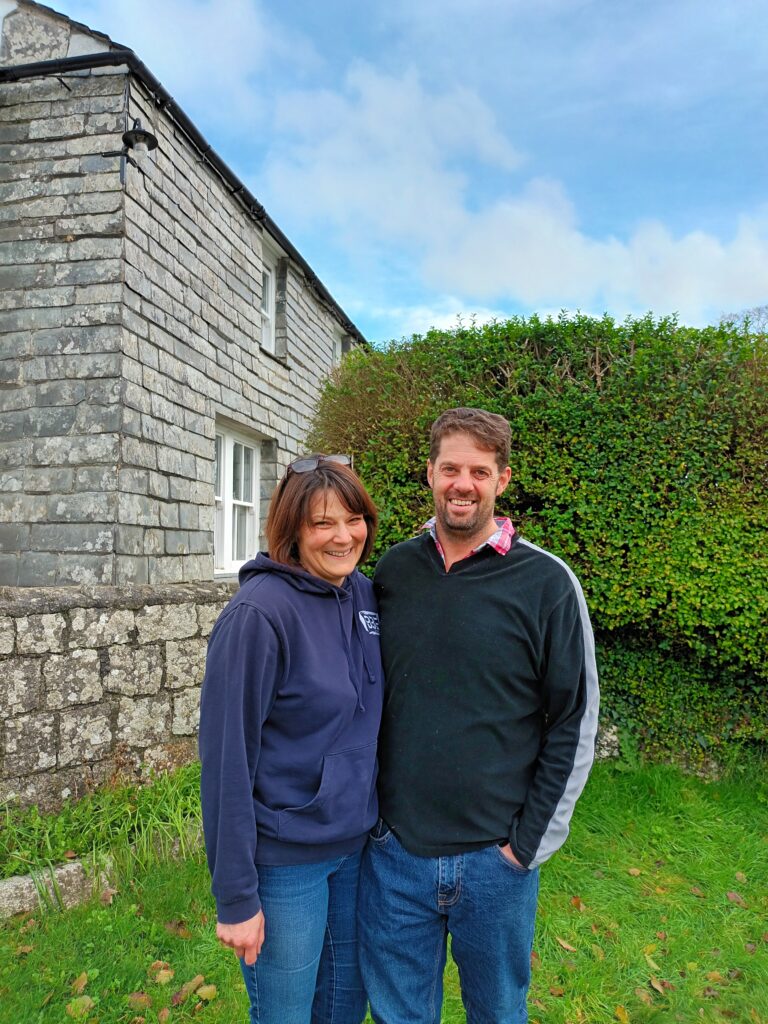
  • Catherine and Malcolm Barrett – Tregooden Farm, Cornwall. Mixed farmers and Duchy of Cornwall tenants, building a resilient system through agroforestry, rotations and community connection.
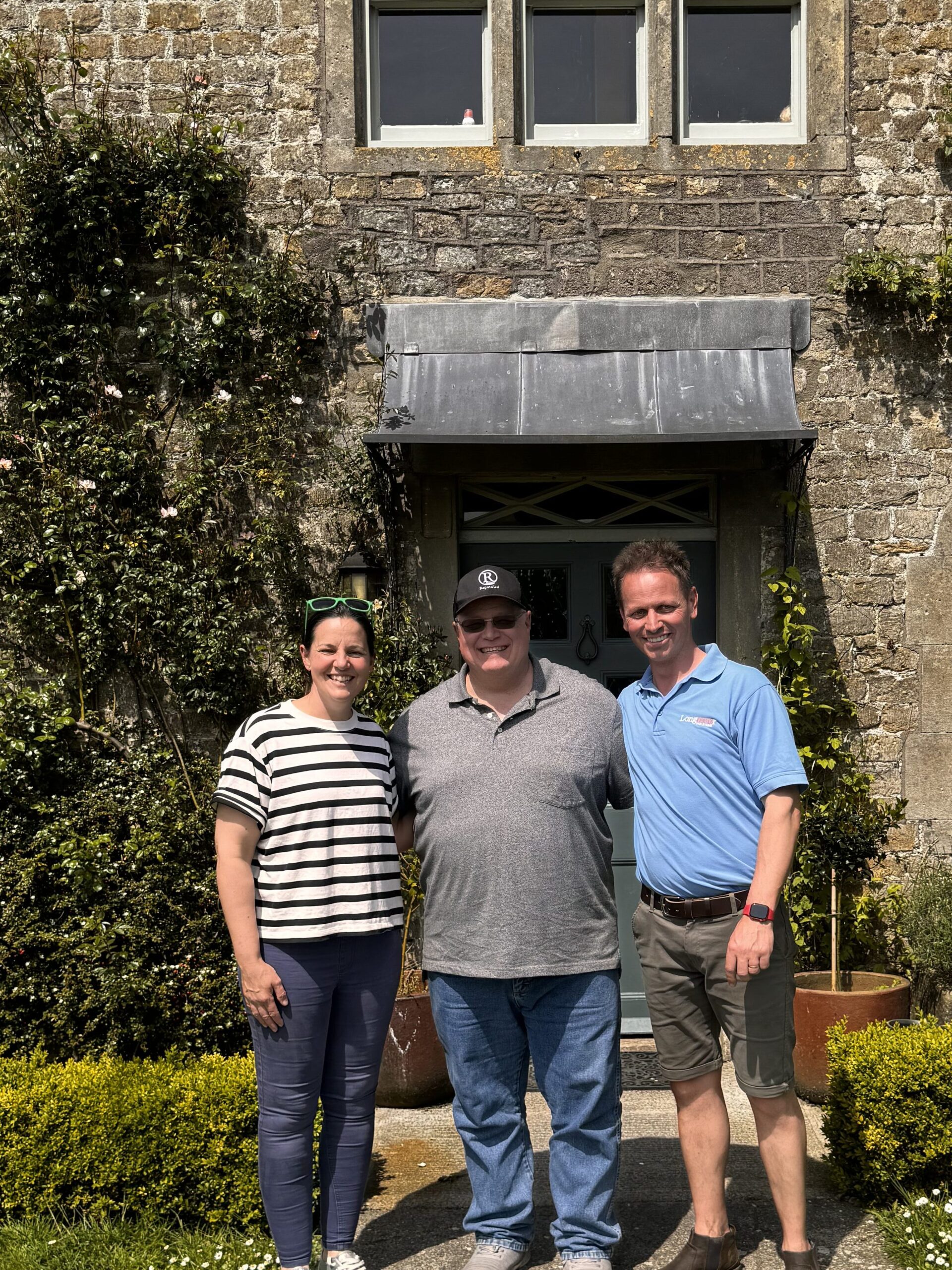
  • Stuart and Helen Rogers, Longmoor Farm, Dorset. Profitable, pasture-based dairy farming rooted in tree planting, soil health and biodiversity.
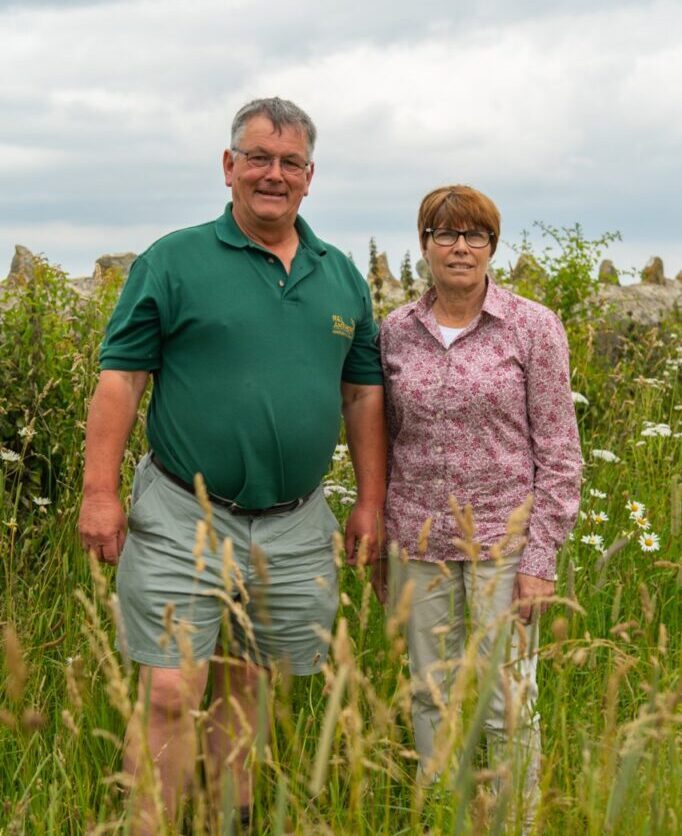
  • Richard and Lyn Anthony – R&L Anthony, Bridgend, South Wales. Progressive arable system combining cover crops, precision operations, and passion for soil health (image courtesy of GWCT Wales).
Catherine and Malcolm Barrett – Tregooden Farm, Cornwall
Stuart and Helen Rogers, Longmoor Farm, Dorset.
Richard and Lyn Anthony – R&L Anthony, Bridgend, South Wales (Image courtesy of GWCT Wales).

The final round of judging takes place in August, and we will announce the winner at the Farm Carbon Toolkit’s Annual Field Day on Tuesday, 30th September 2025, this year kindly hosted by The Pink Pig Farm, near Scunthorpe, North Lincolnshire.

Sponsored by:

Soil carbon monitoring and carbon footprinting for the Three Dales Landscape Recovery scheme

“Working with FCT has been an absolute pleasure! I know I’ve said it before but I’ll say it again: it has been so refreshing to work with consultants who are able to take a brief and just get the job done (and to an excellent standard, may I add).” Three Dales Project Development Manager

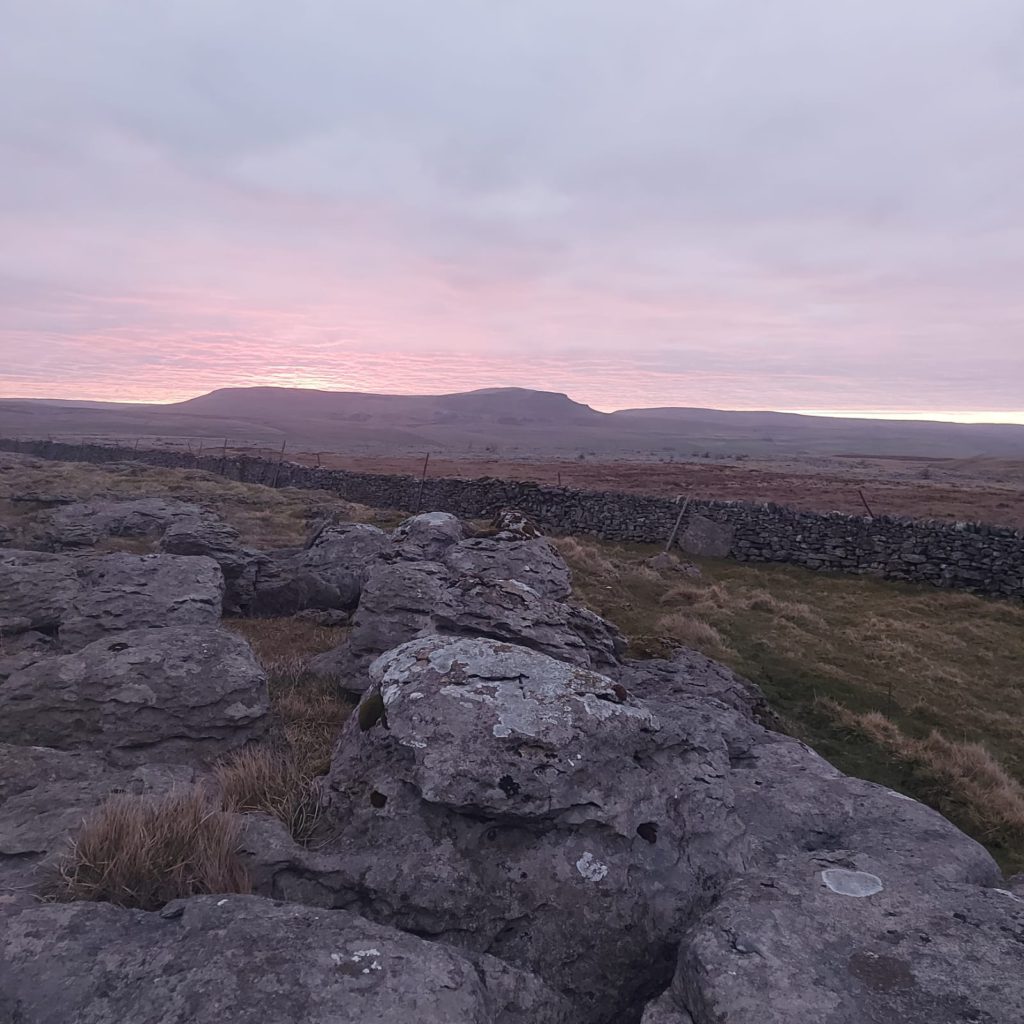
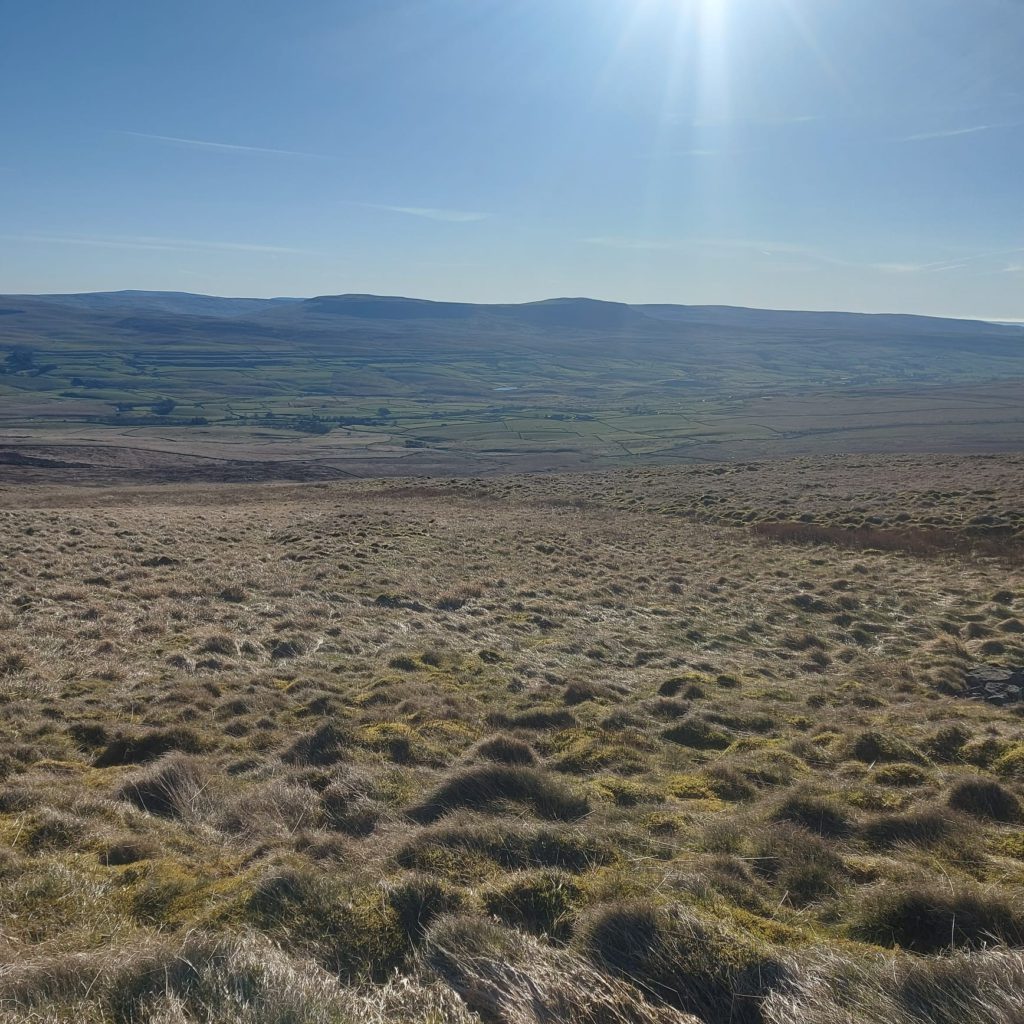
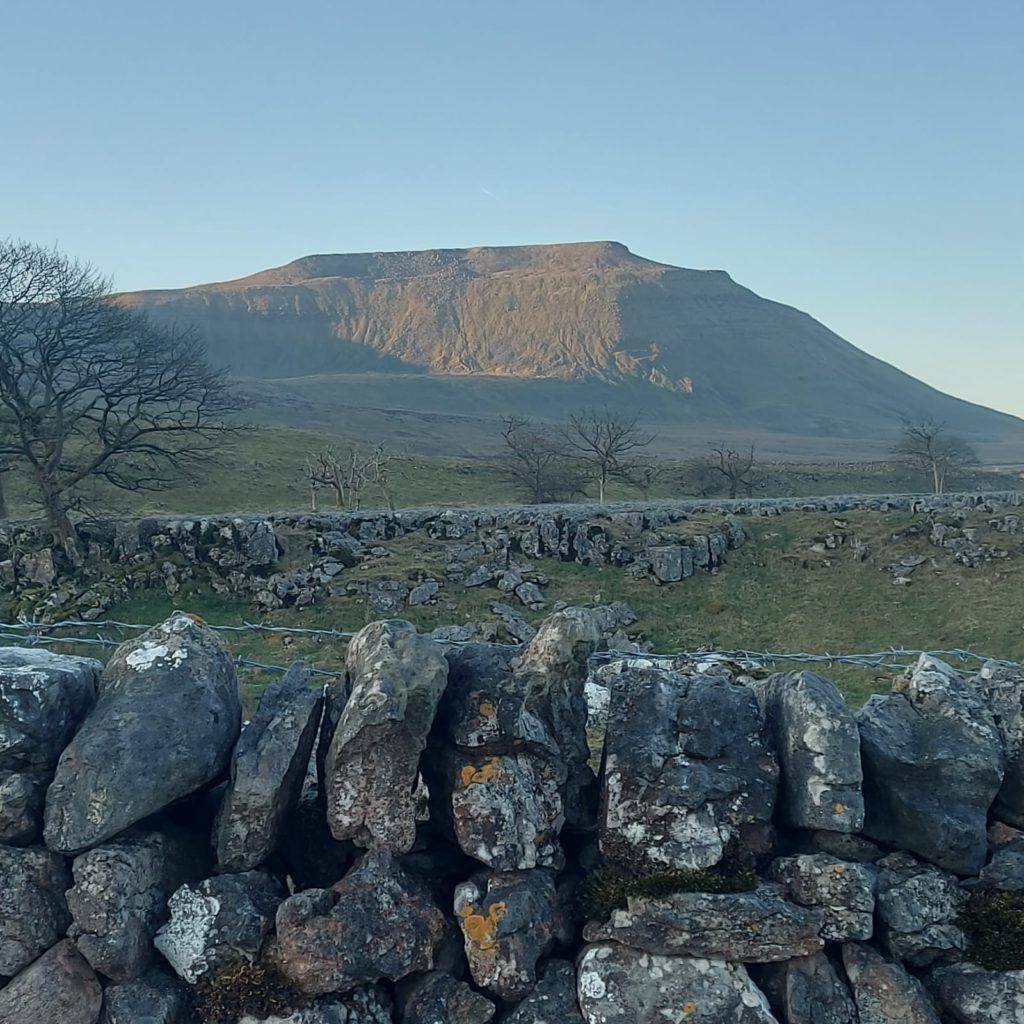
As part of the development phase of the Three Dales Landscape Recovery Scheme, the FCT team delivered a targeted soil sampling and carbon assessment strategy across the 4,200ha project area, encompassing in-bye grasslands, upland pastures and moorland habitats. This baseline audit will help inform the Land Management and Monitoring & Evaluation plans, and support negotiations with DEFRA ahead of the implementation phase.

Working with Yorkshire Wildlife Trust, the lead partner in the scheme, we designed and implemented a cost-effective, spatially representative sampling strategy, with GPS-logged sites carefully distributed across varied soil types, management regimes and habitat classes. Regular co-ordination with the LR Project Manager ensured full transparency for all landowners and timely sampling despite the challenging terrain across some remote (and stunning) areas of the Yorkshire Dales National Park.

All photos courtesy of Steve Watts.

Soil analysis included soil organic carbon concentration and bulk density (at three depths), nutrient levels, aggregate stability, VESS scoring, and earthworm counts. The resulting dataset enabled a full carbon stock estimation (t C ha) across the landscape. To further support the DEFRA submission, our reporting also included modelling to quantify potential changes in carbon stocks with implementation of the planned changes in land management and habitat enhancements through 2040 and 2050.

Carbon footprints – factoring in emissions, sequestration and peat condition data – were also conducted for each landholding and at landscape scale. Finally, a long-term soil carbon monitoring plan was developed to support the scheme’s 30-year delivery programme.

Everybody was very pleased that we were able to deliver on all aspects of the project within the very tight timeframe.

If you would like to find out more about how we can help your business with any aspect of your carbon assessment strategy please contact us on info@farmcarbontoolkit.org.uk or call us on 07541 453413

25 Years of Rethinking Soil with Simon Cowell

On a sunny day at the end of March, farmers gathered with Simon Cowell to take part in a farm walk with our Soil Farmer of the Year Winner from 2018. Thanks to funding from the AFN+ network, we have been able to revisit two farms this year to understand how their farm and management systems have evolved since being awarded.

Simon farms 400 acres of heavy clay with a large acreage below sea level. He has been working on improving his soils for the last 25 years, and moved to a no-till system in 2006, being flexible with both management and rotations to prioritise soil health. 

Originally starting as a dairy farm, Simon converted his farm to arable cropping. At that time, it was full cultivation and deep topsoil ploughing, year after year. For 15 to 20 years, it seemed to work. But then something shifted — yields dropped, costs rose, and the soil stopped cooperating, as Simon reflects here:

“The farm is on heavy clay with high magnesium content. It became impossible to make a workable seedbed. The soil was either too wet and smeared or too dry and baked hard. I’d tried gypsum, but nothing made a lasting difference. Eventually, it became obvious: the more I left the soil alone, the better it behaved.”

During the walk, lots of different topics were discussed — from rotations, cultivation choice, to measuring soil health and the value of organic matter. Below, Simon shares some of his reflections on how his management has evolved over the last 25 years:

Direct Drilling

In 2004, Simon bought his first direct drill and hasn’t looked back since. Establishing crops became more reliable and consistent, especially on the heavy land.

He uses two drills — a disc and a tine drill. The Moore disc drill is brilliant when conditions are right but struggles in extremes (too wet or too dry). The tine drill, on the other hand, works in almost anything. He will often alternate depending on soil conditions, and finds that flexibility is incredibly important to meet the different challenges that may occur.

Building Soil Organic Matter — and Balancing It

Simon reflects:

“One of the biggest long-term wins has been improving soil organic matter. After years of minimal disturbance, my soil tests show I’m adding roughly one tonne of carbon per hectare per year. That’s a big win for soil structure, biology, and long-term fertility.

But there’s a catch. For every tonne of carbon stored, about 100 kg of nitrogen gets tied up—because carbon to nitrogen ratio is about 10:1. That’s nitrogen that doesn’t go into the crop, at least not right away. It’s a good sign environmentally (less leaching), but it forces us to think differently: we’re not just growing a crop above ground — we’re also feeding the soil. And both require nutrients.”

Managing Fields and Staying Flexible

Simon reflects:

“No two fields are ever the same. One of my best lessons has been to stay flexible — don’t do anything out of habit. For example, I never drill straight up and down the slope anymore. In one field, I direct-drilled linseed straight after the previous crop, no cultivation. Most fields still get a roll or a harrow to cover the seed, but only when needed.

Gypsum? I applied 4 tonnes per acre, three times over eight years. The results? Minimal. The Albrecht soil tests showed no real change, and when you do the chemical maths, you’d need unfeasible amounts to really shift the needle. Direct drilling — now that showed results. That’s what made the difference.”

Surprising Soil Behaviour

“One thing that constantly surprises me is how the soil handles moisture. When it’s dry, it goes rock hard. But once it wets up—even a little—it becomes crumbly and friable. That resilience has improved massively since adopting no-till.

In one field, I remember ploughing up an old meadow and seeing just two inches of dark topsoil over clay. The plough buried all the goodness. That was a turning point. Twenty years later, I believe I’ve rebuilt that topsoil layer—just through direct drilling and patience. It’s a stark contrast to where I started.”

Nitrogen, Legumes, and Root Systems

“There’s no denying it: crop yield still relates closely to the nitrogen you apply. Yes, legumes help. But the better the crop above ground, the better the root system—and that means better soil structure, more exudates, and more microbial activity. It’s a feedback loop.”

Straw and Worms: A Change Over Time

“For 15 years, I chopped and returned every bit of straw. The worms loved it at first. But more recently, it’s been sitting on the surface all winter, forming a mat that small seeds like linseed can’t get through. Now, I bale most of it. I’ve realised: the soil doesn’t need more carbon—it needs nitrogen to break down what’s already there.”

Rotations and Crop Choices

“Rotations? They’re always changing. I try to keep about 50% in wheat, with some barley, linseed, beans, and lucerne. About a third of the farm is spring-cropped. I treat each field on its own merits and decide what’s best for it next—nothing is fixed.”

Drainage, Moles, and Water Holding

“Drainage remains a challenge. I’ve started doing some moling to improve water movement. Last winter killed most of the wheat due to waterlogging. Mole drains helped, but only in the mole line—the soil in between takes years to catch up. So I cross-moled with a tine as an experiment.

On some fields, I now get lovely crumbly tilth after winter even with no plant cover, just from natural wetting and drying. But I still wonder: is my soil becoming hydrophobic, in a good way? That is, allowing water to drain through rather than sealing up. That’s the goal—especially on clay.”

Sheep and Grazing in Rotation

“Sheep are a handy tool, especially for cover crops and herbal leys. But I’ve learned to be very cautious—they can damage soil structure quickly, especially in wet weather. Just one day too long, and the field can end up full of holes that hold water into spring.”

Plough Trials

Despite the benefits min till has produced on his farm, Simon is beginning to experiment with ploughing this year to see whether it is possible to mineralise some of the nutrients within the soil. There are two trials going on, one looking at autumn ploughing and other, spring ploughing.  He explains:

“The trial with autumn ploughing started in September. It was too dry and hard to plough at first so only a proportion of the field was ploughed. The other half of the field was direct drilled in October when the weather came good, and was no problem. On the ploughed side, I had to wait another two weeks to get on the land as it held all of the water.  Although it is an interesting trial, it is going to be difficult to compare due to the delay in drilling the ploughed side. Establishment has been less good on the side which was ploughed compared to the direct drilled.”

The trial confirmed what Simon had been thinking: for his land, direct drilling is the way forward. 

“It’s made my soil ploughable again.”

Undeterred, a second ploughing trial has been underway this spring, where a field was ploughed, power harrowed and rolled and then drilled two weeks later. Simon has been impressed with how the field has performed so far. The next door field has been direct drilled, so it will provide a good comparison to look at performance through this season to see how they grow!

“We’ve proved that we can build organic matter through our system, we are now looking at how we can balance occasional disturbance. I’ve been against it in the past because of protecting the soil structure that I have built up and not wanting to lose it, but I’m hoping that because it was in a good state before, it will recover quickly and be back to how it was before.”

I’ve done all the biological products, the trials, the tweaking. In the beginning, you throw everything at the problem. Over time, you start asking: what actually made the difference? I’ve spent years building organic matter. Now it’s time to start using it.

Many thanks to Simon for an inspirational walk and for sharing his knowledge so freely; it gave everyone lots to think about on the drive home!

A growth mindset helps build soil carbon

Read the whole case study here

In rural Devon, Paul Baker is doing very interesting things on his farm where he grows arable crops, raises cows and ducks. For Paul, it all starts with the soil “Every farmer should have a microscope – you can’t measure where you are without it. Combined with the shovel, these are powerful tools.”

This is just one example of the approach that Paul is taking on his 340 acre mixed farm, which includes a range of arable crops, dairy calves, and ducks. Most of the land is rented from the Duchy of Cornwall. The farm is net carbon negative, due to the reduction in emissions and the vast amount of carbon being sequestered in the soil.

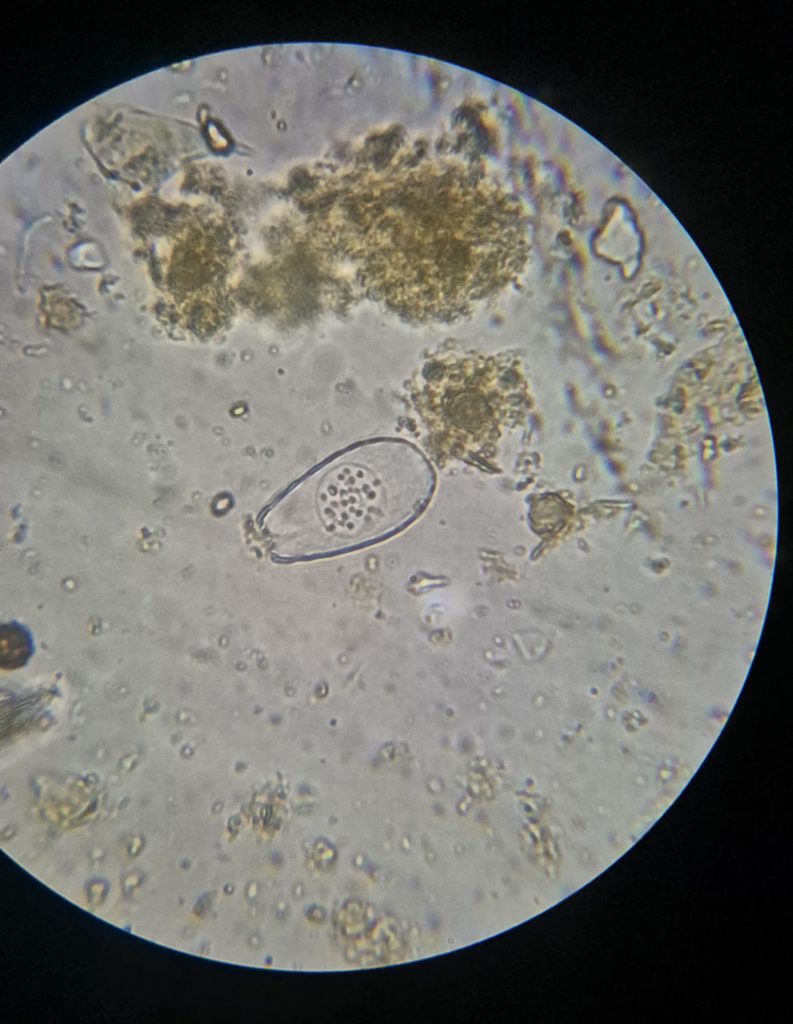
Paul regularly analyses soil, both visually and under a microscope

A paradigm shift in the arable operation

For an arable farm, a lot of carbon, time and energy is associated with cultivations – or the lack of them. By investing in a strip till drill, the soil preparation has been revolutioned, through fewer passes and much less soil being turned over. As Paul noted “in wet weather you’re not pushing the power harrow through the ground – so that really saves diesel”. Not just a bit of diesel, but savings of 75% over 3 years!

But more than just this saving in diesel, the new system is better for labour requirements, making the most of smaller weather windows, and substantial improvements in soil quality.

Strip till drill in use at Wishay Farm

There is an organic and non-organic system being run concurrently, with a range of arable crops and approaches in both systems. Experimentation in mixed varieties of wheat have also shown benefits in diseases resistance and resilience to different climatic conditions.

Building soil fertility

The changes in cultivation go hand in hand with the building of soil fertility, using composts, manures, and cover crops. But more than this, Paul is interested in the micro-organisms that are in the soil and the fertility sources, using a microscope to better understand the presence of bacteria, fungi, nematodes and protozoa.

A soil sample under the micropscope, teeming with life

Artificial fertiliser use is dropping year on year as the soil ecosystem is working better and being fed by more organic matter. “By feeding the bottom of the food chain, the worms have benefitted” observes Paul

Better grass, better animals

In the grassland part of the farm, livetsock are now grazing intensively for short periods on herbal leys. “Grass growth in the new grazing system feels much better” says Paul. “The areas that are overgrazed don’t come back as quick; weed suppression where mob grazing occurs is better because of the action of hooves and intense grazing over a short period.”

In addition there are now more dung beetles in the pastures, an indicator of a healthier soil ecosystem. It’s also been linked to a reduction in the use of wormers – again because Paul has asked whether they need to be used, rather than following the standard use of these chemicals. You can read more about dung beetles here https://farmcarbontoolkit.org.uk/2024/05/20/what-are-dung-beetles/

Dung beetles feed on manure and help recycle nutrients

A growth mindset

Throughout Wishay Farm, Paul has been experiementing with various innovations in his system, underpinned by a curiosity to improve his farm. These include:

  • Cultivations and seed establishment
  • Composting systems – including Bokashi, food waste, vermicompost, and using starter cultures
  • Application of organic matter and microorganisms to most effectively benefit soil and crops
  • Applying molasses to feed soil bacteria
  • Reducing agro chemicals
  • Experiementing with cover crops, mixes of wheat varieties, and combining different crops
  • Adding woodland soil in to compost

Paul offers some reflections on his journey so far: I started with cover crops. You need to justify buying machinery, but also worrying what others are thinking – your neighbours are looking over the hedge! 

You have to be thick skinned to take any criticism; you can explain away any failures, but ultimately results can speak for themselves. Neighbours might take the mick, but good practice will spread! There’s lots to learn.”

Paul is a finalist in the 2025 Soil Farmer of the Year competition. It’s not hard to see why!

Check out Paul’s Instagram for more inspiration, the aptly named Experimental Farmer https://www.instagram.com/the_experimentalfarmer/