Farm Carbon Toolkit release a new report for farmers and land owners which explains the Voluntary Carbon Market and additional climate-friendly farming income streams.
The voluntary carbon market (VCM) has grown in recent years, but many still find the route to accessing the markets unclear and shrouded in uncertainty. Recent research also suggests that conversations around the VCM are polarising and particularly hard for farmers to decode. The VCM is an actively developing market that requires weighing up the potential risks and benefits before participation to ensure reputational and financial risk to a farm business has been considered.
In the report we provide information on various carbon credit types, discuss the differences between carbon insetting and carbon offsetting schemes and provide an overview of how to assess the quality of schemes. We also list relevant schemes operating in the UK agricultural sector and make recommendations. Download the report to read more.
Contents
What is the voluntary carbon market?
Why get involved with the sector?
The Risks of VCM Participation
Projects operating in the UK agricultural sector
Responsible reporting of carbon reductions, removals and credits
Other public and private finance options.
Authors
Dr Grace Wardell, Dr James Pitman, Dr Lizzy Parker, Becky Willson, Samuel Smith, Tim Dart, Liz Bowles
We are grateful to the Centre for High Carbon Capture Cropping (CHCx3) for supporting Farm Carbon Toolkit to produce this report. CHCx3 is a multi-partner research project helping UK farmers to increase carbon capture and farm resilience through diversified cropping, enabling new income sources and supporting enhanced value chains for industries.
CHCx3 is funded by Defra under the Farming Futures R&D Fund: Climate Smart Farming (project 10042535). It forms part of Defra’s Farming Innovation Programme, delivered in partnership with Innovate UK. www.carboncapturecropping.com
We would also like to thank the following for feedback on the first draft and contributions to the final report
Dr Lydia Smith – Project Lead of the Centre for High Carbon Capture Cropping (CHCx3), NIAB
Megan MacGillivray – 3Keel
Julian Gould – Farm Manager atHendred Estate
Kitty Grubb – Previous roles at Regenified and Agreena
Dr Jonathan Scurlock – National Farmers Union of England and Wales (NFU)
Andrew Adler – Non-executive Director FCT, Veterinarian and Consultant
Andrew Rigg – Non-executive Director FCT and Arable Farmer.
For more information about carbon credits in farming check out our popular piece on getting paid for carbon.
The Voluntary Carbon Market has surged in recent years, offering UK farmers and landowners potential new income streams for adopting climate-friendly practices. However, for many, the path to accessing this market remains unclear.
Farm Carbon Toolkit have produced a report that aims to demystify the Voluntary Carbon Market (VCM), providing an overview of carbon credit types, scheme integrity, and the risks involved, helping you weigh the potential benefits against the challenges before participating. Some of the topics in the report are summarised below, for more detail read the full report.
The VCM is a decentralised platform where companies, individuals, and organizations can purchase carbon credits to offset their emissions. Each credit represents a reduction or capture of emissions equal to one metric tonne of CO2 equivalents (CO2e).
Since agriculture is currently excluded from the Compliance Carbon Market (CCM) in the UK (like the UK Emissions Trading Scheme), the VCM is the primary venue for activities that remove and store carbon in biomass and soils through sustainable agricultural activities or nature projects.
Types of Carbon Credits
To generate credits for most schemes, you’ll first need to accurately baseline your operations. Credits are generated based on the measurable change from that baseline. These credits typically fall into three categories:
Carbon removal projects tend to fetch higher payments per tonne of CO2e because they actively remove carbon. However, they demand a high level of monitoring and verification, often requiring direct soil measurements at five-year intervals to evidence the permanence of carbon stocks.
Process of setting up a VCM project
Offsetting vs. Insetting: Which Path is Right for You?
A scheme that generates carbon credits that are sold outside of your value chain is known as carbon offsetting. However, an alternative has emerged in recent years, whereby climate friendly farming is financed by actors within your value chain. This is known as carbon insetting and is not considered to be part of the VCM, however we discuss it within the report to provide a full picture of what initiatives are available to farmers and landowners. Therefore a key decision involves who buys your credits:
Carbon Offsetting: This involves generating carbon credits and selling them outside of your value chain to unrelated buyers (e.g., a telecoms provider). This is considered ‘Beyond Value Chain Mitigation’ (BVCM).
Carbon Insetting (or WVCM): This is where a farm’s supply chain (like a processor or retailer) finances carbon improvements on the farm. Although not technically part of the VCM, insetting projects are often thought to offer the most promising avenue for successful, transparent, and verifiable climate impacts. Some carbon insetting schemes will produce carbon credits, however most, particularly with your direct downstream supply chain, will not.
Insetting allows both the farmer (Scope 1) and the supply chain company (Scope 3) to reflect the reductions or removals in their GHG inventories. These projects are believed to strengthen supplier relationships and enhance credibility due to improved traceability. The set up of these schemes may not look like other carbon offsetting schemes and are likely to not produce credits but provide direct value, see section 1.4 in the report for more detail.
Navigating the Risks and Ensuring Integrity
Participation in offsetting schemes comes with crucial risks that farmers must assess:
Risk
Description
Price Volatility
Fluctuating carbon credit prices may not always cover the costs of significant management shifts.
Long-term Contracts
Commitments can range from 3 to 50 years, potentially restricting future land-use choices.
Carbon Reversals
Carbon gains can be lost through natural disasters, unpredictable weather, or mismanagement. Schemes often use a central buffer pool to insure against these losses.
Additionality
Projects must prove that reductions/removals would not have happened without the project, which can often exclude early adopters of sustainable practices.
Leakage
An emissions reduction in one area causes an increase elsewhere (e.g., repurposing grain land leads to grain being grown elsewhere).
Reputational Risk
Farmers face potential reputational damage if their credits are linked to corporate ‘greenwashing’.
To instill confidence and integrity in the VCM, farmers should look for schemes that adhere to the highest standards. The Integrity Council for the Voluntary Carbon Market (ICVCM) has developed the Core Carbon Principles to help buyers identify high-integrity credits. These principles ensure that credits create real, additional, and verifiable climate impact. The ICVCM publishes online what carbon standards and their methodologies align with the core carbon principles, however most are still undergoing review.
It is also vital to practice responsible reporting. If you sell a carbon credit, you can no longer claim that reduction or removal toward your own business’s net-zero targets, as this would constitute double counting.
UK Projects and Finance Alternatives
There are a number of schemes available in the UK agricultural sector for a diverse array of activities including; regenerative practices in arable farming, woodland creation, peatland restoration, feeding cows alternative natural feeds and directly measured increases in soil organic carbon (see Table 4 in the report for further details).
The established, government-backed standards like the Woodland Carbon Code (WCC) and the Peatland Carbon Code (PCC) provide clear methodologies for carbon removals and reductions associated with these land management activities. While there was investigation into a potential UK Farm Soil Carbon Code, we provide an update on why it is no longer under development, alongside other UK carbon codes such as the Hedgerow carbon code in Box 1.
Beyond the VCM, farmers can access other income streams for sustainable farming and environmental land stewardship:
Government Schemes: Examples include the Improved Sustainable Farming Incentive (SFI) in England (set to open early 2026), Scotland’s Agri-Environment Climate Scheme (AESC), the Sustainable farming scheme (SFS) in Wales and Northern Ireland’s Farming with Nature Transition Scheme (FwNT).
Biodiversity Net Gain (BNG): Developers pay land managers to create or enhance habitats to offset ecological impacts. An example of the type of finance available from a BNG project is provided in Box 3 in the report.
Key Takeaways for Farmers
Before entering the VCM, we advise the following recommendations:
Scrutinise Schemes: Employ a high level of scrutiny and look for schemes that follow the ICVCM’s Core Principles or Oxford Offsetting Principles.
Know Your Buyer: Ask who will purchase the credits to determine if it aligns with offsetting or insetting, and whether this aligns with your values.
Investigate Full Costs: Determine the complete costs of participation, including monitoring and verification services, as these can impact your net revenue.
Measure Now: Even if you are undecided about selling credits, there is no better time to start measuring the carbon in your soils.
Avoid Double Counting: If you sell a carbon credit, you can no longer claim that reduction or removal towards your own business’s net-zero targets.
Retain Credits: Consider retaining any generated credits to meet your own farm’s net-zero targets.
This work was funded by the Centre for High Carbon Capture Cropping (CHCx3). CHCx3 is a multi-partner research project helping UK farmers to increase carbon capture and farm resilience through diversified cropping, enabling new income sources and supporting enhanced value chains for industries.
CHCx3 is funded by Defra under the Farming Futures R&D Fund: Climate Smart Farming (project 10042535). It forms part of Defra’s Farming Innovation Programme, delivered in partnership with Innovate UK.
For more information about carbon credits and the Voluntary Carbon Markets in farming check out our popular piece on getting paid for carbon.
As I was harvesting apples this weekend in an orchard that’s 15 years old, I was marvelling at how apples, and more widely perennial crops, produce food for us with really minimal input.
A sackful of high quality Pinova apples
In this particular orchard, the management I do is mowing or strimming four times a year, pruning trees in winter, hedge cutting in winter…and that’s more or less it. This orchard is planted on Grade 4 land with soil that is light, shallow and with a slight Northerly aspect. It has produced 2/3 of a tonne of apples over 2/3 of an acre this year. Whilst it’s a good year for apples, this orchard consistently produces good amounts of fruit.
The spread of over 25 varieties means any particular variety that crops poorly one year doesn’t impact overall yields too much. Within this, all the varieties are selected for disease resistance (particularly to canker and scab), as well as taste, vigour and genetic diversity,
Much of the fruit will go for juicing, or cider, but much of it is very high quality eaters and cookers that can be stored for months. It is amazing what you can produce on a small area with very little input from humans.
A functioning ecosystem
Orchards are perhaps our best example of agroforestry at work. Existing for hundreds, maybe thousands of years they embody the intercrop between fruit, pasture, livestock and a wide range of biodiversity. Traditional orchards are some of the most biodiverse places in the farmed landscape. Even in more intensive orchards they can be managed for wildlife and carbon sequestration alongside fruit production.
Birdsfoot trefoil is one of the species thriving in this orchard, providing forage for bees
In this particular orchard, and other small orchards on my farm, the land supports lots of butterflies, bees, birds and a wide variety of flora. No chemicals are used and there are actually no fertility inputs. The only machinery used is a mower and a strimmer. There are actually no fossil fuel inputs to the entire system – the machines are electric and we even transport the apples using an electric vehicle! Is this actually the future?
An electric strimmer, one of the few tools used in the orchard
I appreciate this isn’t a fully commercial operation and that in a commercial orchard there needs to be a focus on yields, quality, storage, processing, etc. However in some ways it encapsulates the debate on extensive versus intensive. Extensive growing systems mean low inputs, high biodiversity and moderate production levels. There is a whole debate to be had too around the nutritional quality v quantity of crops.
In addition to low emissions from any machinery or inputs, perennial crops (encompassing many fruits and nuts) also sequester carbon in both the soil and trees. Furthermore, a lack of cultivation means soil organic matter isn’t being oxidised, furthering the potential for carbon sequestration in soils. This is not so far away from a natural ecosystem, which inherently are large carbon sinks.
Agroforestry systems
Traditional top fruit orchards, often with livestock grazing underneath, are timeless examples of a farming system that produces fruit for eating, drinking, and feeding to livestock, as well as seasonal grazing. What hasn’t been grown more widely across the UK are nut groves, such as cobnuts, walnuts and sweet chestnuts. These bring the opportunity to bring protein into our diets as well, but it also requires something of a cultural shift to have more edible nuts in our diets.
The argument I would make is that we can successfully move away from simply fields of grass into agroforestry systems with relative ease, and that livestock and trees are perfectly compatible given the right planning. There are new skills to learn, equipment to buy and markets to access, but these are achievable. In return it would bring a fundamental shift in our landscapes with more carbon being sequestered, shade being provided, diversification of farm produce, and habitat being created.
Cereals grown as alley crops between hazel at Wakelyns Agforestry in Suffolk
However there is also an opportunity to integrate vegetables, other fruits and even arable into agroforestry systems – as has been successfully done at places like Wakelyns Agroforestry in Suffolk. The common thread here is that trees have enormous benefits in agricultural systems and really require very little input from us relative to the benefits that they can bring in terms of diversity of crops, biodiversity, carbon sequestration, water storage and landscape benefits.
Because these systems don’t require much, if any, cultivation, require few inputs, they bring a sort of stability to the land in a way that annual crops don’t. More perennials are something that previous generations would have seen as normal, and their reduced presence in our landscape is a relatively recent thing. Here’s me hoping for the return of perennials in our farming systems which bring real benefits to us all, and for generations to come.
By Hannah Jones, FCT Senior Soil and Carbon Advisor
What is composting?
Let’s take a step back and consider composting. A process that can convert ‘waste’ organic materials, which may contain weed seeds and pathogens, into a highly valued resource for farmers, growers and gardeners. There is no universal strategy to handle compost, but we know that compost is good. Any handling, movement or change in conditions of the compost pile will influence what microbes are present.
Composting techniques
The means of compost waste handling needs to be designed based on what you want to achieve in addition to the time and resources available. There are multiple books available which provide details on the multiple composting techniques available. However, very simplistically bacterial-dominated compost is achieved with frequent turning of pile which generates a lot of heat from bacterial activity. A blend of ‘green’ and ‘brown’ material provides the balance of relatively low carbon to nitrogen food sources for microbes. This form of composting produces usable compost within months.
However, if you wish to have a compost dominated by fungi, don’t turn it and use a higher amount of ‘brown’ fraction thus increasing the carbon to nitrogen ratio. Fungi can break down waste with less available nitrogen than bacteria, which is why wood-dominated waste left in a heap will break down even when there is no manure or higher nitrogen waste in it. The fungal hyphae need to stay intact and turning will destroy the mycelial network.
The Johnson-Su composting technique is a classic method for creating this type of compost. However, it should be noted that mycorrhizae fungi, which are the nutrient and water harvesting symbionts of a range of plant species, will only thrive when attached to a root. Composting will not increase mycorrhizae directly but non-disturbed soil, which is rich in organic matter, will favour them in the presence of a diverse range of plant species.
Dealing with weeds and pathogens
Some organic waste material may contain persistent weeds and pathogens. Composting can be carried out to create a bacterial furnace that can easily reach temperatures of 60℃ or more. Frequent turning stimulates bacterial activity, and the heat-releasing degradation process warms the compost and effectively kills weeds and pathogens.
When compost reaches 60C pathogens and weed seeds will be broken down
At Heligan Gardens in Cornwall, as part of the compost Innovative Farmers FieldLab with Farm Net Zero project, waste streams can now be managed where no docks, oxalis, bind weed or vegetable diseases survive the composting process. Weekly turning of the compost piles over multiple months generated the heat to deal with pests and diseases. Careful turning is needed to make sure all compost gets heated in the middle of the pile over the composing process. Beneficial microbes are then able to re-infest the cooling compost to create a stable product.
Compost bays at the Lost Garden of Heligan. Piles are turned weekly with new waste entering the stream on the right hand side.
Compost is commonly used as a soil conditioner, providing a water retentive mulch as well as a food source for soil microbes. The quality of lettuces was maintained for longer in the Heligan field lab trials during a period of drought.
Greenhouse gases from compost
Uncovered and turned compost can release considerable amounts of carbon dioxide and nitrous gases. Bokashi composting, a technique not dissimilar to making silage, which uses lactic acid bacteria as an inoculum, can conserve 99% of carbon compared to just 25% in standard composting. Furthermore, in the same experiment 93% of the nitrogen was retained compared to 38% of the control3. This compost is dominated by lactic acid bacteria as a consequence of the oxygen-free environment and so is a process for preserving nutrients rather than specifically aimed at multiplication of desirable organisms. Application of bokashi to the soil will supply the nutrients, but the influx of more non-harmful bacteria can stimulate the soil food web as the lactic-acid producing species are consumed.
Experts of soil microbes advise inoculating seed with your desirable microbes rather than the soil. Based on the 10 billion/gram estimate in one gram of soil, the seed surface is relatively free of competition for your inoculant. Therefore, your inoculum may be one of the first to colonise an emerging root and from then on multiply.
Use compost to condition your soil
Recent findings from the Compost FieldLab at Prideaux Gardens has found a significant reduction in bindweed infestation with a combination of compost, the use of a broadfork (to ease surface compaction) and cover crops. The control also contained cover crops but no soil conditioning. Charles Walters4 highlights bindweed thrives where soil structure is poor and organic matter breakdown retarded. Thus double digging is not as desirable as plentiful compost mulching to feed soil shifters such as the earthworm community.
Trial lay out at Prideaux with deep compost over broadforked soil to improve soil conditions. There was some mild surface compaction.
It is important to recognise that major shifts in soil biology are unlikely to take place purely from compost addition. It is now well established that soil microbiology is driven by living plant diversity. Management can also have positive or catastrophic effects on soil diversity particularly if multiple ‘stresses’ take place at the same time such as drought and salinisation1. However, the incorporation of composting into your overall soil management can have major benefits for soil nutrients, structure and carbon storage.
In summary, handle your waste organic material as a valuable resource. Determine what you want from it, but at the same time make sure you manage the compost to control weed seeds and pathogens. Your compost is unique to your farm, your soil and your waste.
FCT offers advice
FCT works with farmers and growers on a daily basis, helping them to farm better by looking after their soils, build resilience, manage carbon and increase productivity. For more on what we do, and how we could help you, please see our Services page. We look forward to working with you!
References
1 Rodríguez del Río, Á., Scheu, S. & Rillig, M.C. Soil microbial responses to multiple global change factors as assessed by metagenomics. Nat Commun16, 5058 (2025). https://doi.org/10.1038/s41467-025-60390-4
2 Torsvik, V. and Øvreås, L., 2002. Microbial diversity and function in soil: from genes to ecosystems. Current opinion in microbiology, 5(3), pp.240-245.
3 Chavez-Rico, V.S., Bodelier, P.L., van Eekert, M., Sechi, V., Veeken, A. and Buisman, C., 2022. Producing organic amendments: Physicochemical changes in biowaste used in anaerobic digestion, composting, and fermentation. Waste Management, 149, pp.177-185.
4 Walters, C (1991) Weeds control without poisons Publishers: Acres UK
The regenerative sector must unite to offer the government practical solutions, not more problems, to the challenges facing the country.
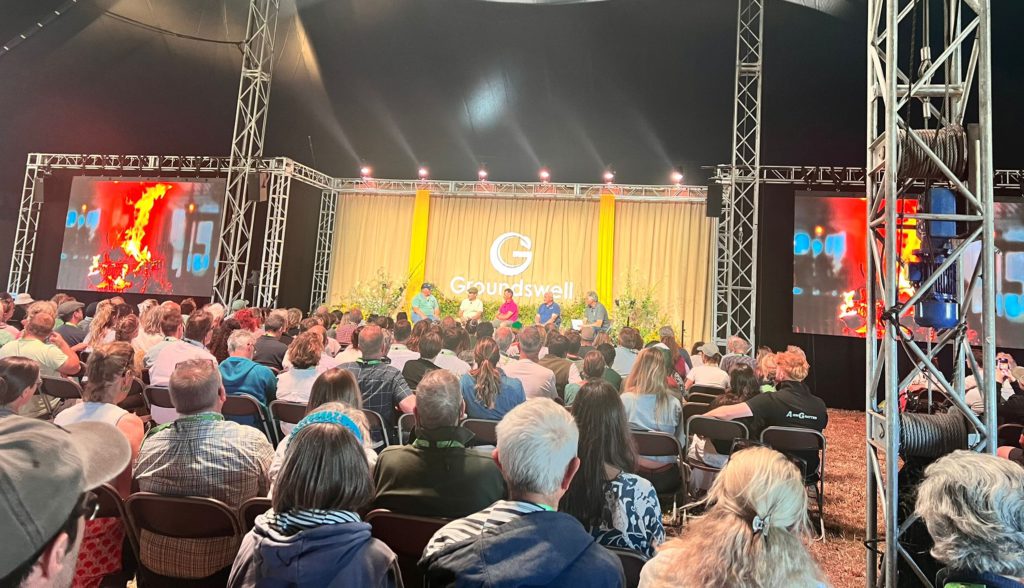
Having been part of Groundswell since its very beginning in 2016, this year’s festival-cum-agricultural event felt more relevant than ever. It was a powerful reminder of the trust, collaboration, and creativity needed to navigate the challenges ahead for UK agriculture.
As CEO of Farm Carbon Toolkit, one of the most rewarding ‘takeaways’ was the recognition that farmers and supply chains alike hold Farm Carbon Toolkit (and our staff) in such high regard because of the trust we’ve built over the many years as a farmer-led and fiercely independent organisation, driven by sound science.
That trust is critical now, and it will be even more important in the years ahead if we are to create food production systems that are resilient, profitable, and nature-friendly in the face of the growing climate crisis. We remain as committed as ever to supporting farmers, growers, and other food businesses to measure, understand, and act on their greenhouse gas emissions, while improving their business resilience through supporting farmers on new practice implementation in areas such as soil health, farm nutrient use efficiency, reducing reliance on artificial nitrogen, agroforestry etc.
Solutions… not more problems
For me, one of the key themes from Groundswell 2025 was the consensus around the need to approach the challenges we face with ‘network thinking’ — collaborating more effectively, creating more circular food systems, ensuring the businesses making changes on the ground have the resources and recognition they deserve, and working together to present a clear, consistent message to the government, whatever colour that might be.
At one excellent session, brilliantly chaired by Sue Pritchard from the Food, Farming and Countryside Commission, it became clear that the regenerative sector must work together to present the government not with more problems, but with practical solutions to the issues the country faces. This solutions-focused approach sits at the very heart of what we do at Farm Carbon Toolkit — providing farmers and growers with practical tools and support to meet our common challenges head-on.
Once the regenerative sector shows how our principles and practices can help the government solve many of its challenges, we can gain real traction and turn ideas into action. At the moment, however, I’m not sure we’re yet thinking in this way — and certainly not with the coherence and strength of voice we need.
FCT and Groundswell: Growing Together
It was also striking to reflect on just how far both Groundswell and Farm Carbon Toolkit have come. When the Groundswell festival first took place in 2016, it was held in the Cherry family’s farmyard with a handful of exhibitors running practical demonstrations outside. We held our very first Soil Farmer of the Year awards ceremony in the grain store!
Since then, Groundswell has grown into one of the largest and most important festivals of regenerative farming in Europe, and FCT has grown alongside it. Back then, we were a team of just one, the inimitable Becky Willson. Today, we’re over 20 strong, working with farmers, growers, producer groups, processors and retailers across the UK and beyond.
Our Farm Carbon Calculator continues to go from strength to strength and is now used on four continents, supporting farmers and growers to understand how they can play their part in reducing greenhouse gas emissions while maintaining productive, climate- and nature-friendly farms. We remain committed to our mission as a Community Interest Company and have recently strengthened our independence by becoming an Employee Ownership Trust.
Facing the Challenges Ahead
We are entering some of the most challenging times our food production systems have ever faced. Climate change is reshaping our weather patterns, with hotter, drier summers, unpredictable and often intense weather events, and increasing pressure on farmers and growers to produce in a more environmentally friendly way.
At Farm Carbon Toolkit, we remain driven by science — not by fashion or the latest trends, however tempting that might sometimes be — and we aim to provide practical support and tools to help farmers and growers navigate this complex and changing landscape.
Some are suggesting that Groundswell is moving away from its farmer-to-farmer roots, becoming more of a stage for those wanting to tell farmers what to do. I didn’t have much time to reflect on that myself. We were busy throughout, speaking to farmers and growers and sharing ideas with friends old and new, all trying to make sense of this evolving landscape together.
But what stood out most was the collective sense that trust, collaboration, and clear, solutions-focused thinking will be essential if we are to meet the challenges ahead of producing the quality and quantity of food we need in a profitable and nature-friendly way.
“Working with FCT has been an absolute pleasure! I know I’ve said it before but I’ll say it again: it has been so refreshing to work with consultants who are able to take a brief and just get the job done (and to an excellent standard, may I add).” Three Dales Project Development Manager
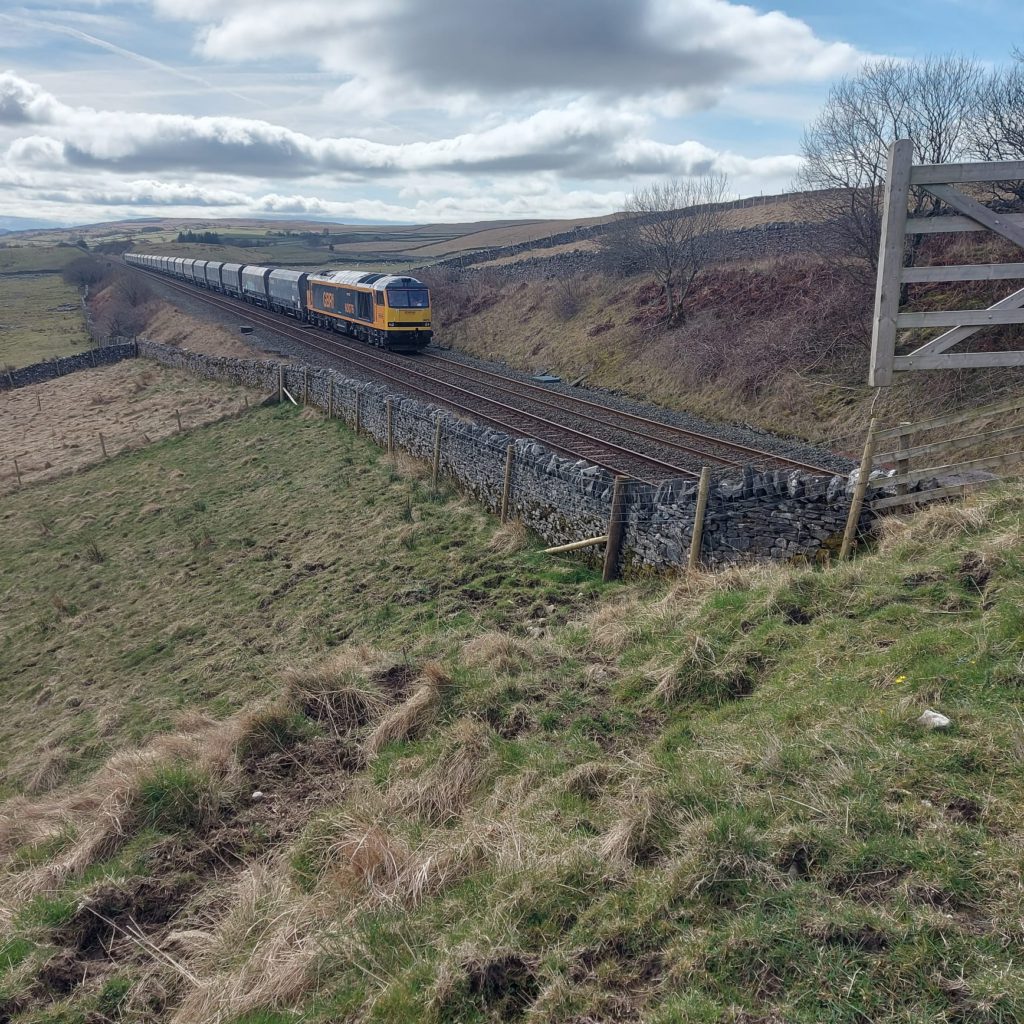
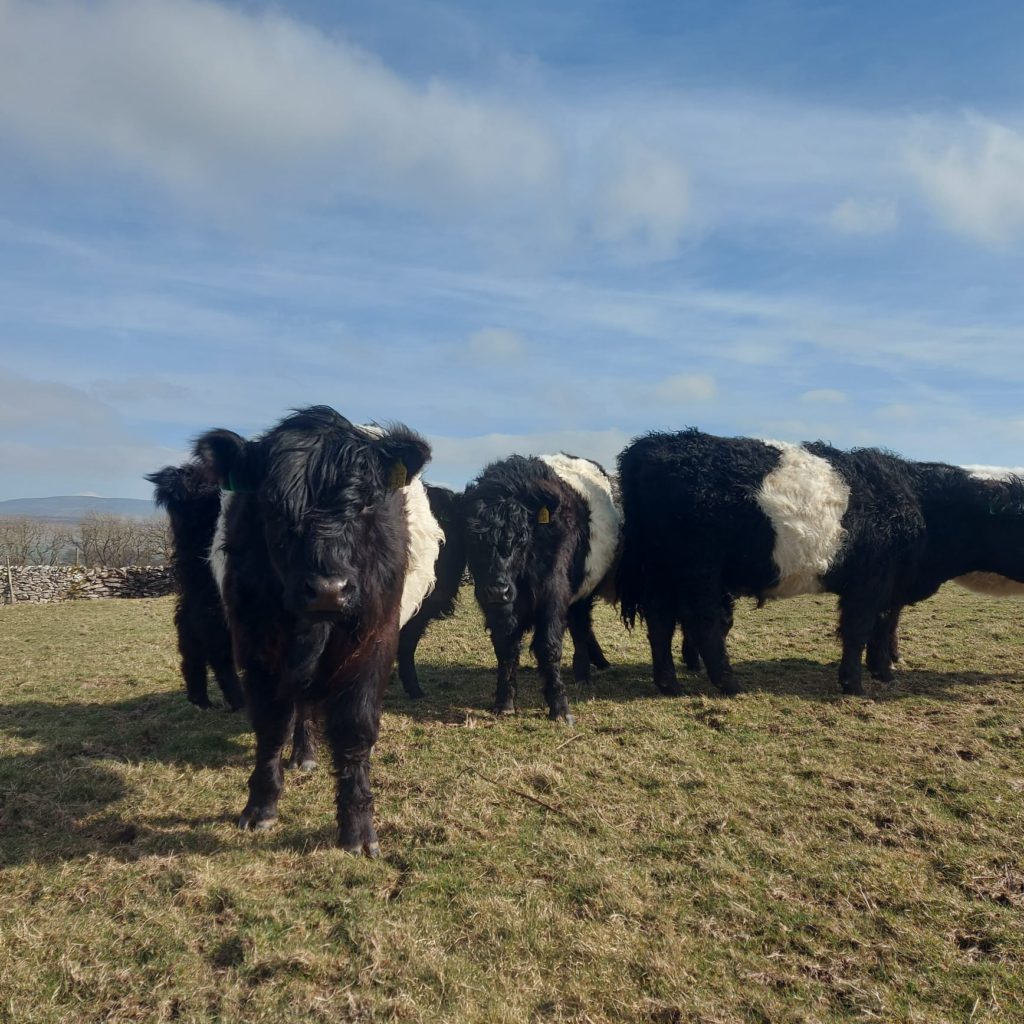
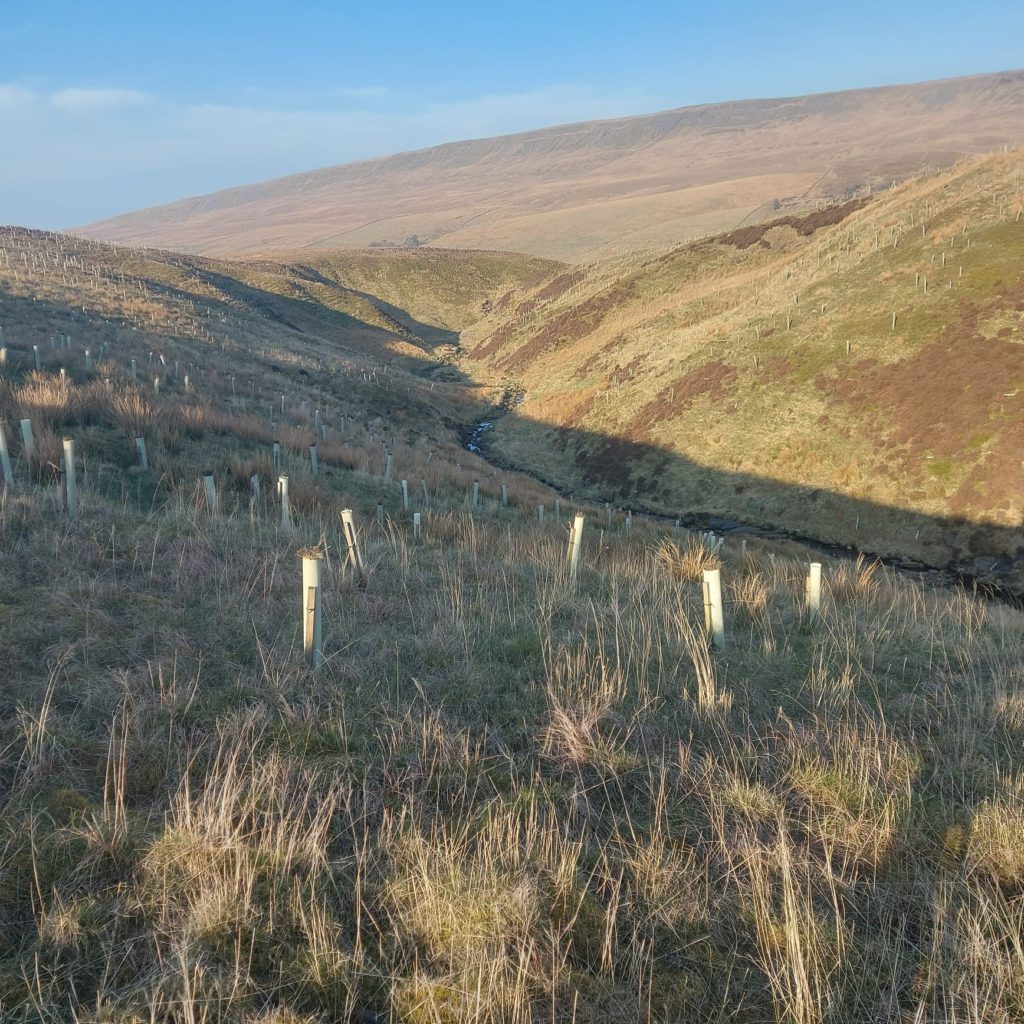
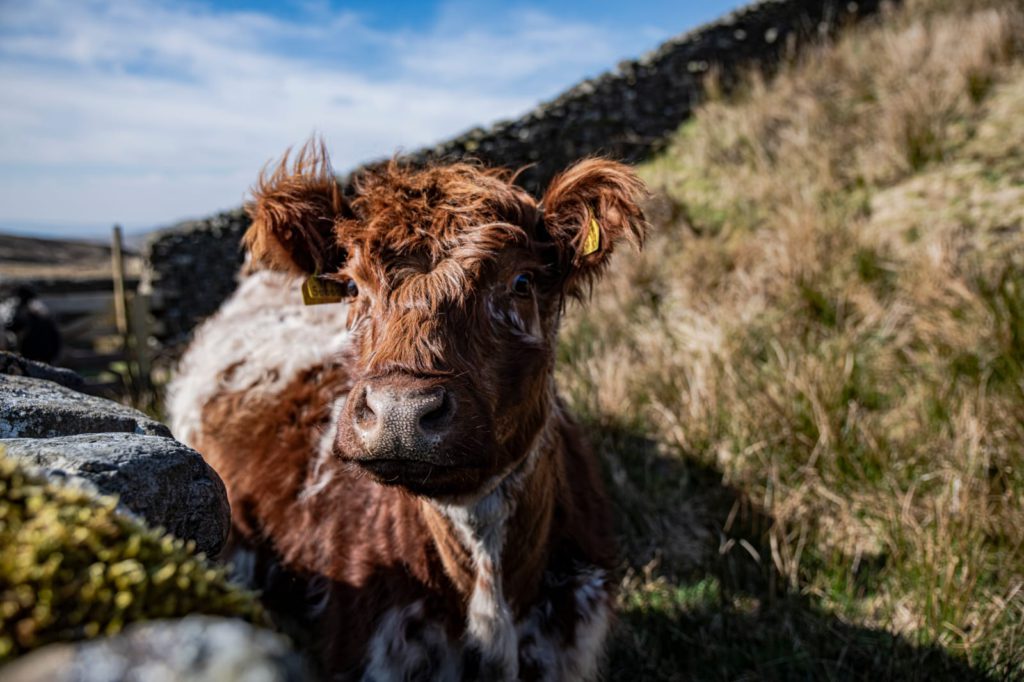
As part of the development phase of the Three Dales Landscape Recovery Scheme, the FCT team delivered a targeted soil sampling and carbon assessment strategy across the 4,200ha project area, encompassing in-bye grasslands, upland pastures and moorland habitats. This baseline audit will help inform the Land Management and Monitoring & Evaluation plans, and support negotiations with DEFRA ahead of the implementation phase.
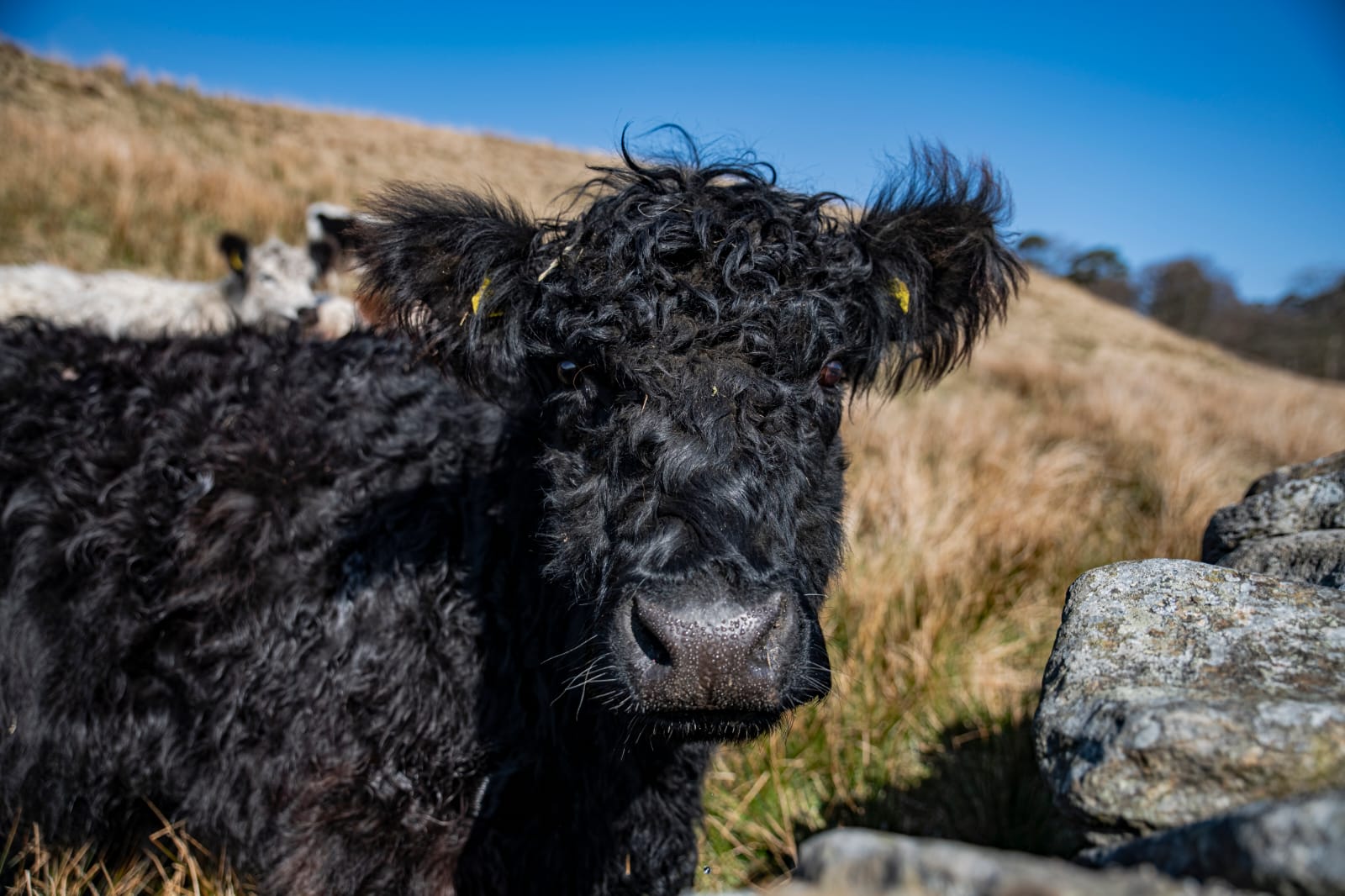
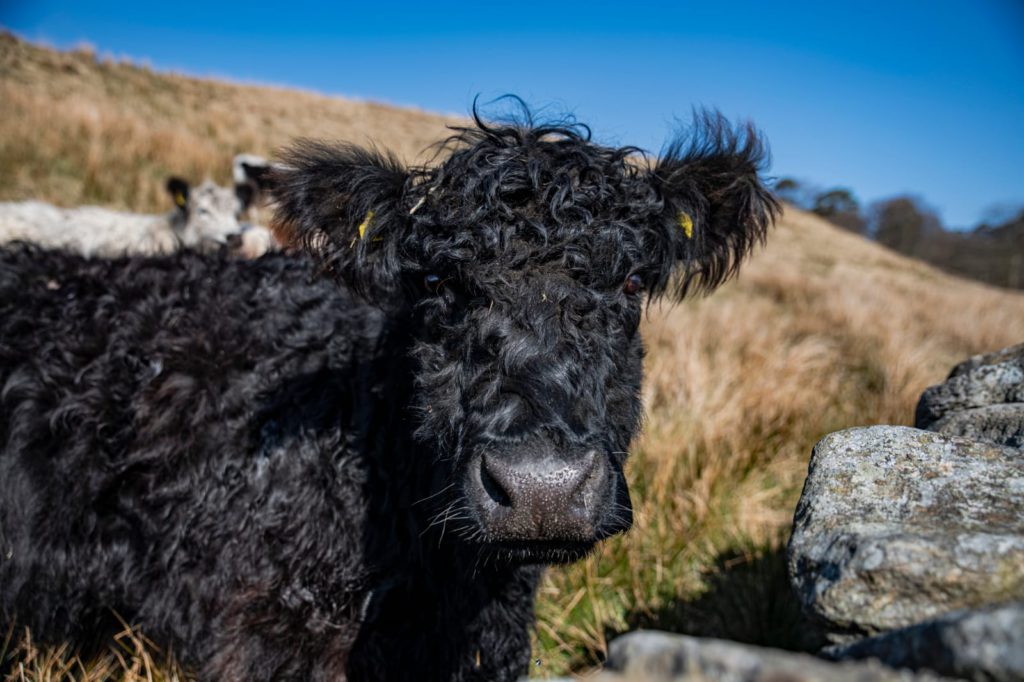
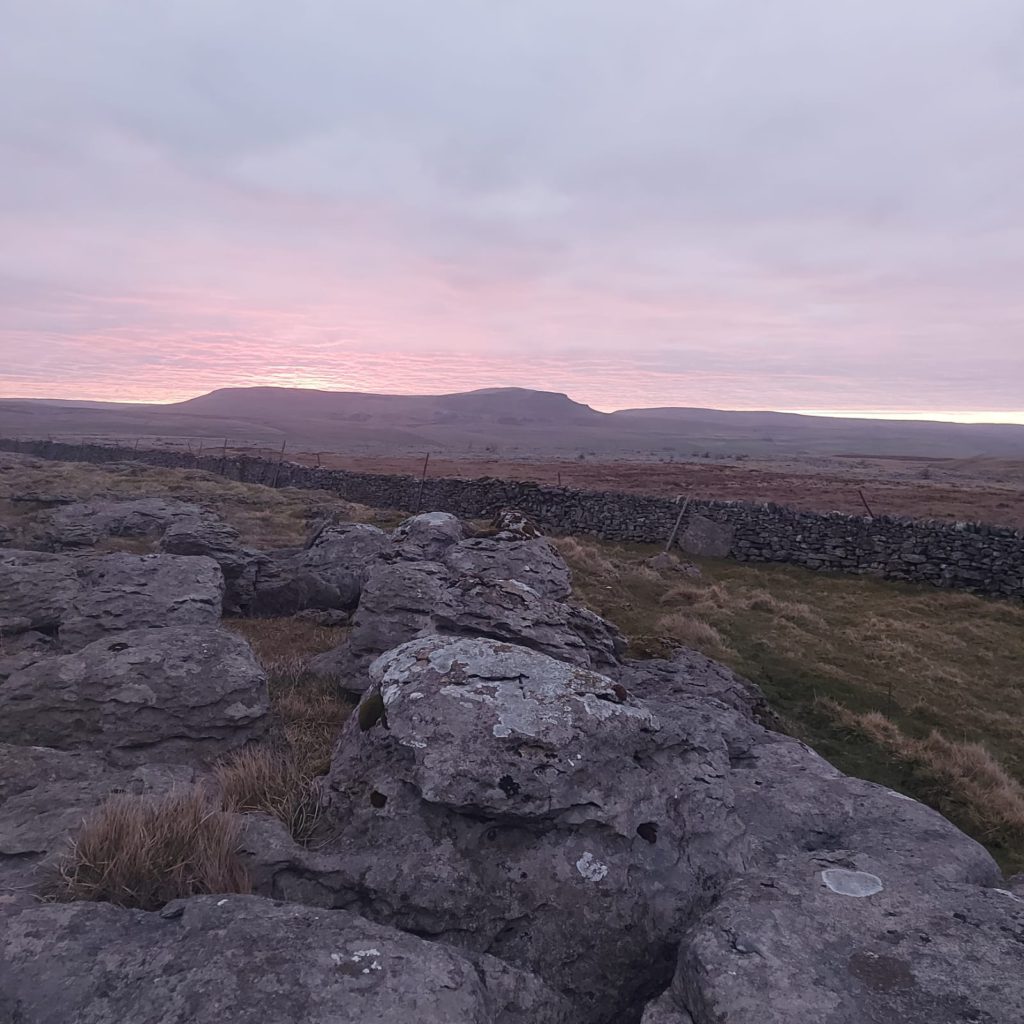
Working with Yorkshire Wildlife Trust, the lead partner in the scheme, we designed and implemented a cost-effective, spatially representative sampling strategy, with GPS-logged sites carefully distributed across varied soil types, management regimes and habitat classes. Regular co-ordination with the LR Project Manager ensured full transparency for all landowners and timely sampling despite the challenging terrain across some remote (and stunning) areas of the Yorkshire Dales National Park.
All photos courtesy of Steve Watts.
Soil analysis included soil organic carbon concentration and bulk density (at three depths), nutrient levels, aggregate stability, VESS scoring, and earthworm counts. The resulting dataset enabled a full carbon stock estimation (t C ha) across the landscape. To further support the DEFRA submission, our reporting also included modelling to quantify potential changes in carbon stocks with implementation of the planned changes in land management and habitat enhancements through 2040 and 2050.
Carbon footprints – factoring in emissions, sequestration and peat condition data – were also conducted for each landholding and at landscape scale. Finally, a long-term soil carbon monitoring plan was developed to support the scheme’s 30-year delivery programme.
Everybody was very pleased that we were able to deliver on all aspects of the project within the very tight timeframe.
If you would like to find out more about how we can help your business with any aspect of your carbon assessment strategy please contact us on info@farmcarbontoolkit.org.uk or call us on 07541 453413
“Had we still been ploughing now, we would’ve had two or three terrible seasons and lots of soil damage. The way I farm now has softened that blow. I wouldn’t want to be cultivating the land like we used to.”
Jayne Arnold is a grower who is really pushing the boundaries of soil health and management. Based on a 12-acre organic vegetable farm in Worcestershire, she is constantly striving to find ways to improve the diversity, depth, quality and carbon content of their soils. Growing for their own veg box scheme, the farm also has a few sheep, an orchard, agroforestry and makes plenty of compost.
In this new Case Study, we learn how Oxton Organics is balancing a productive farm, producing local food, whilst constantly improving soil health and quality through a voracious appetite for knowledge and an approach.
Whilst the farm has been organic for a long time, it’s only in the last 7-8 years that this new approach to soil management started, producing some really impressive results. The approach is underpinned by applying high quality compost, biostimulants, and covering the soil as much as possible through mulches, compost and green manures.
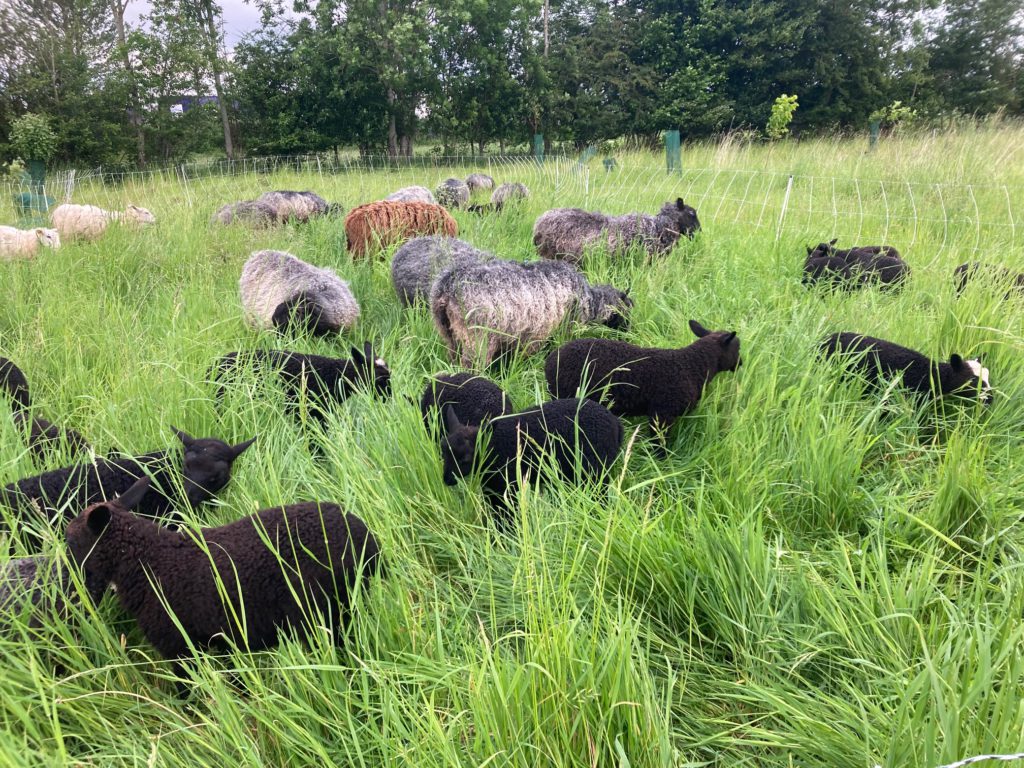
The sheep play an important role, and the pastures they’re on have improved significantly since the species mix and stocking regime has changed. This has resulted in not just better pastures and better soil helath, but much more biodiversity too, as Jayne notes:
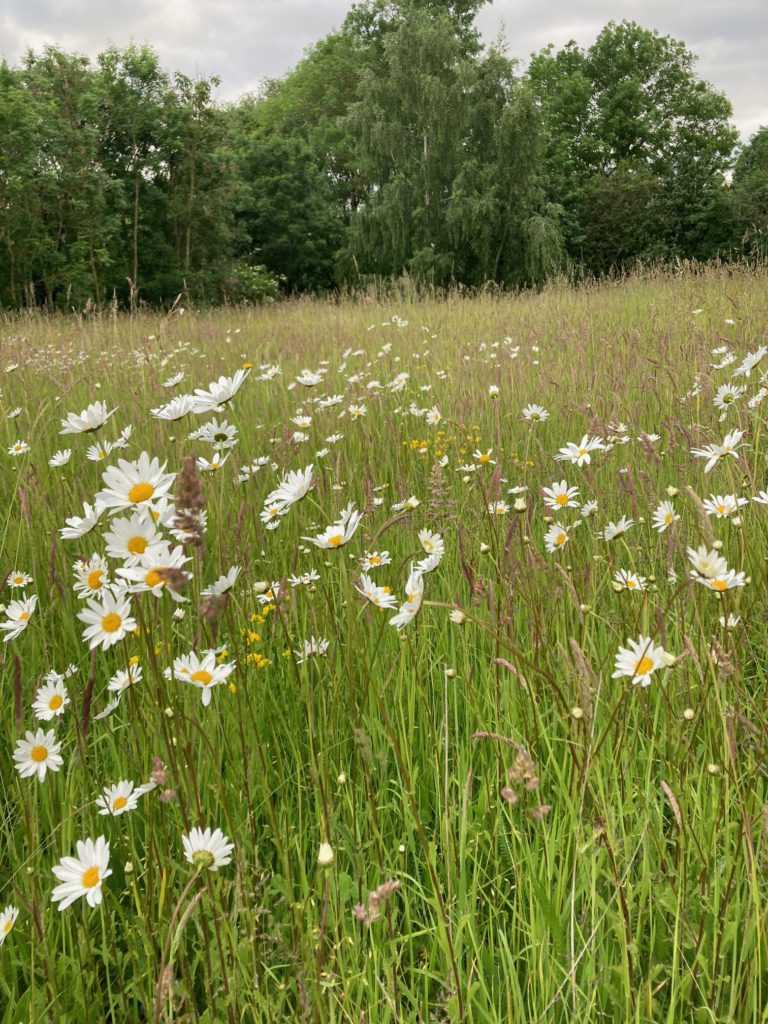
“In the years after sowing the pasture, it was predominantly grasses, white clover, and yarrow, with a little ribwort, burnet and yellow trefoil. Now there is much more diversity, there are flowers throughout summer and autumn, including dandelions, wild carrot, yarrow, knapweed, oxeye daisy and much more. A few bee orchids and pyramidal orchid appeared four years ago and returned every year since. We had never seen orchids on the farm before! Butterflies and other pollinating insects are also more abundant.”
Biodiverse pastures at Oxton Organics
Wildlife abounds above and below ground, from the tall hedges and lines of willow coppice to the flowers of the pastures and the cropland soil teeming with life. “There are so many worms in the soil, it’s hard to avoid them when transplanting crops!” Jayne says.
Soil Organic Matter levels are rising and distributed more evenly through the soil profile. Structure is improving, soil colouration is more even and deeper through the profile. The action of worms and perennial plants helps to draw carbon down in the soil profile – and that means it is also more stable. Carbon sequestered into the soil like this is a proper drawdown of atmospheric carbon; if it’s not released then it is stable and locked away.
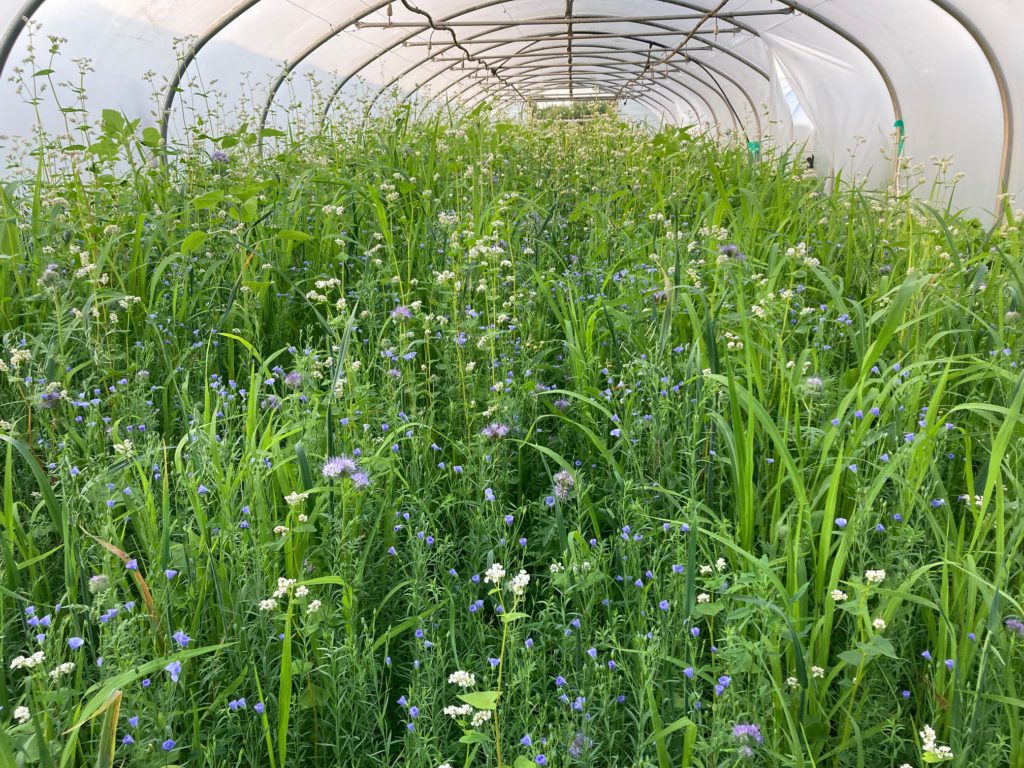
An example of a deep rooting and diverse green manure mix, in one of the polytunnels
Jayne notes that weather patterns have changed, with more frequent extreme rainfall events. “The up and downness of the weather has changed a lot“, she says. Building resilience in the stability of farm soils is essential in helping to mitigate such risks that all growers are experiencing from a changing climate. Soils that are higher in carbon, have a mulch or living cover, and have better structure will be much more resilient to the effects of both heavy rain and drought.
The farm’s focus on soil management underpins all the positive aspects outputs of the farm – quality food, flood resilience, carbon sequestration, biodiversity, and indeed sheer enjoyment and intrigue that gets growers out of bed in the morning. A refreshing look at green manures, founded on experience and observation, demonstrates one example of this: “you won’t build a fungal dominant soil with legumes. Plants will reject mycorrhizal associations if there’s too much Nitrogen in the system. You need to build bacteria that naturally fix Nitrogen and be more balanced. You don’t see many legumes in the hedgerow – yet that’s all green” says Jayne.
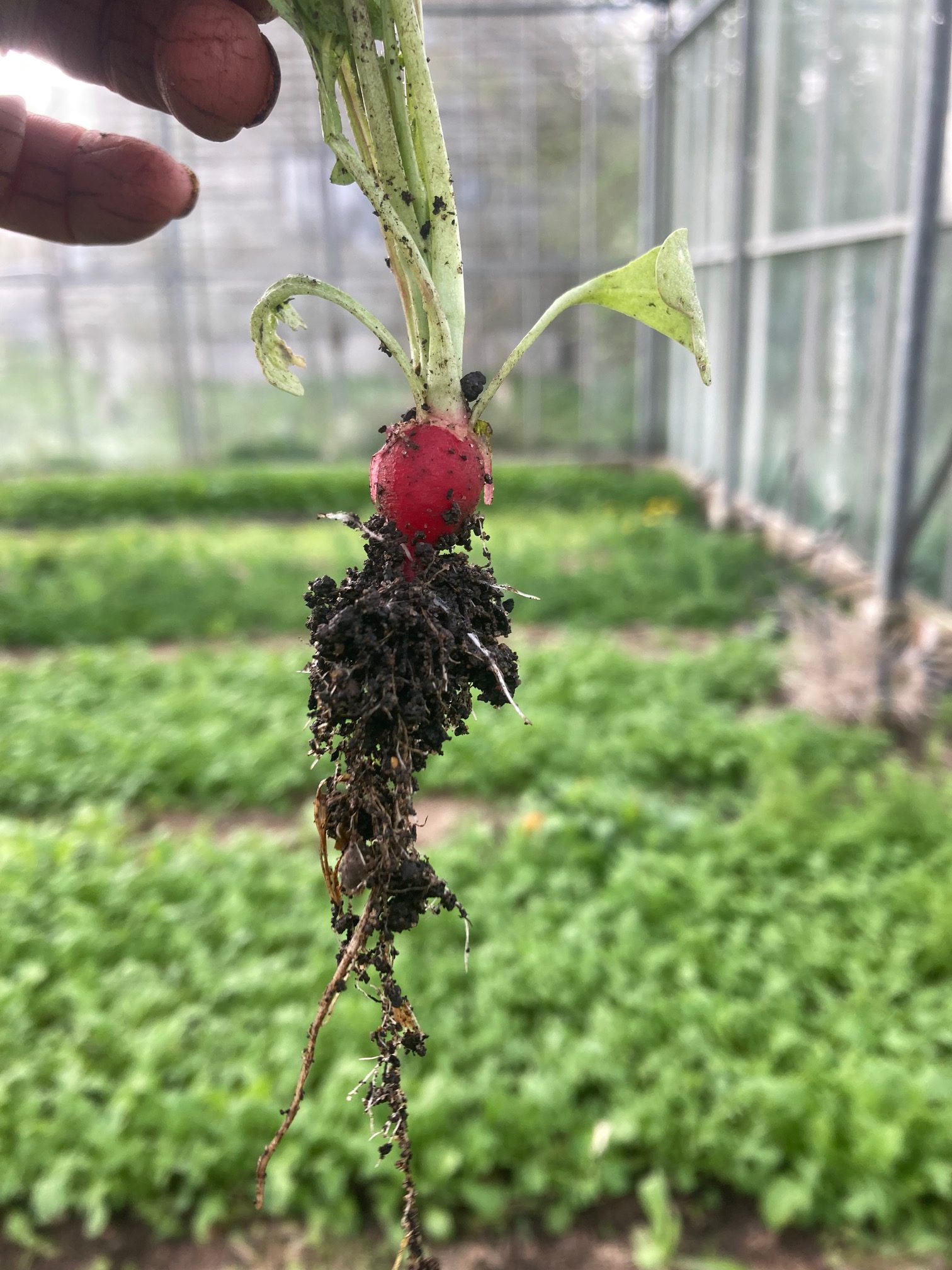
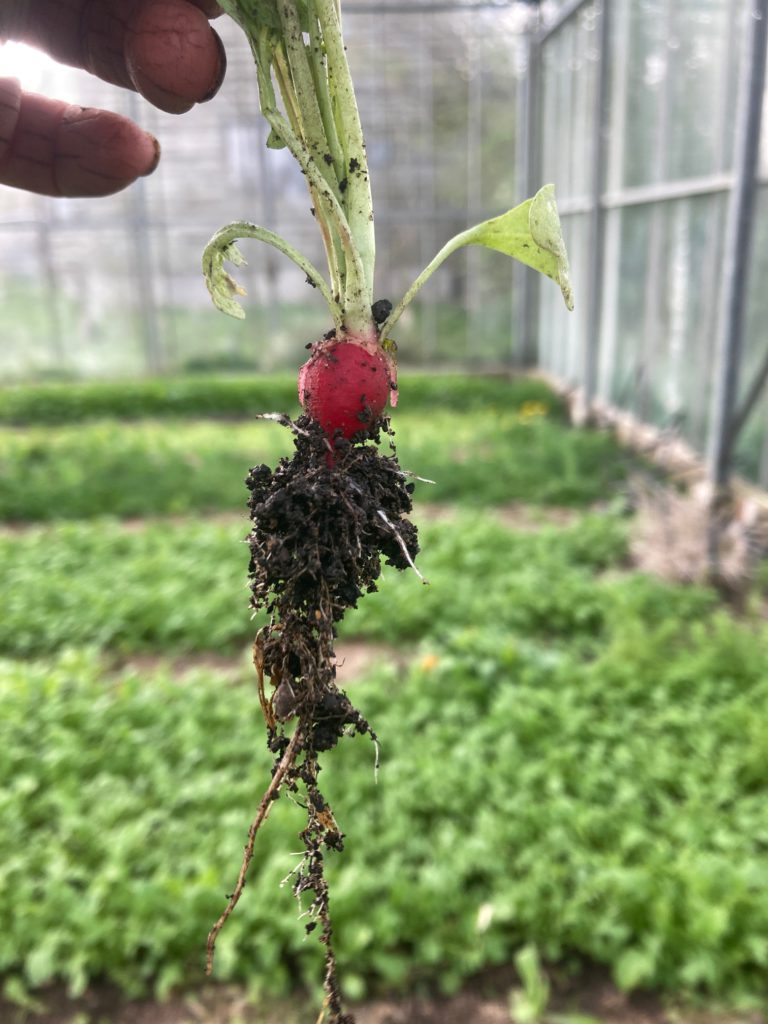
Mycorrhizal fungi associating with a radish
Managing carbon is also part of the business strategy, using an electric van for deliveries, minimising any cultivations, ensuring lots of carbon sequestration, and reducing inputs. With so much carbon being absorbed on the farm and being turned into soil organic matter, the farm is really demonstrating how to grow in a way that builds capital for the future, whilst producing great quality food and continuing to explore and push the boundaries.
Sheep grazing in the pastures at Oxton Organics
With thanks to Jayne Arnold for the photos and the interview. Written by Jonathan Smith.
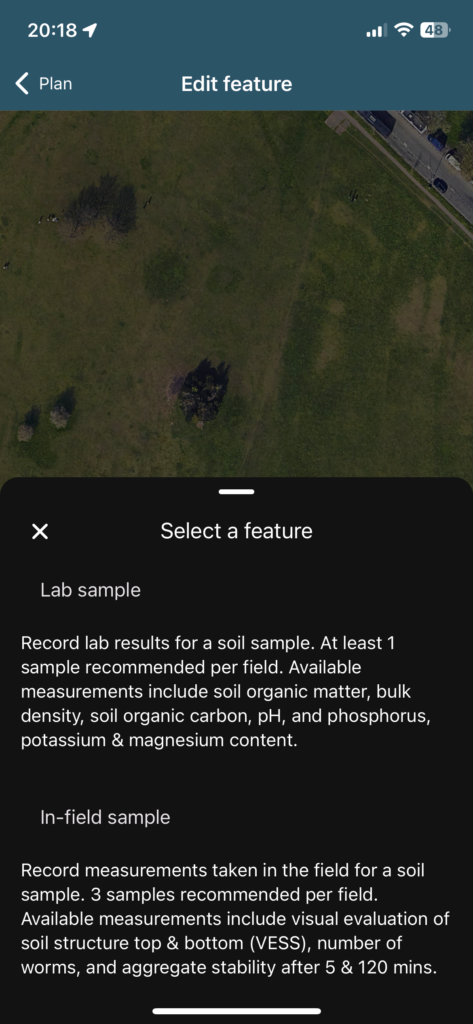
At the Farm Carbon Toolkit, we’re excited to share news about our recent collaboration with Land App to support the development and launch of their new Soil Survey feature on Land App Mobile.
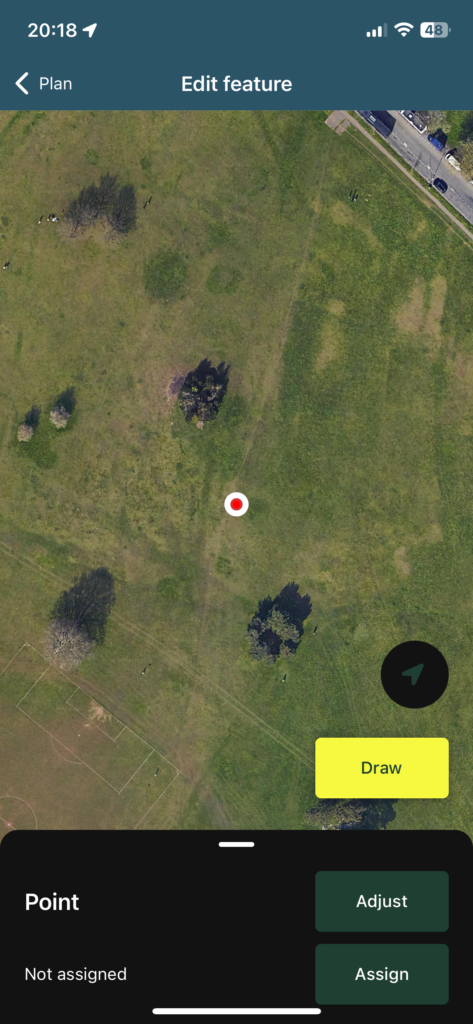
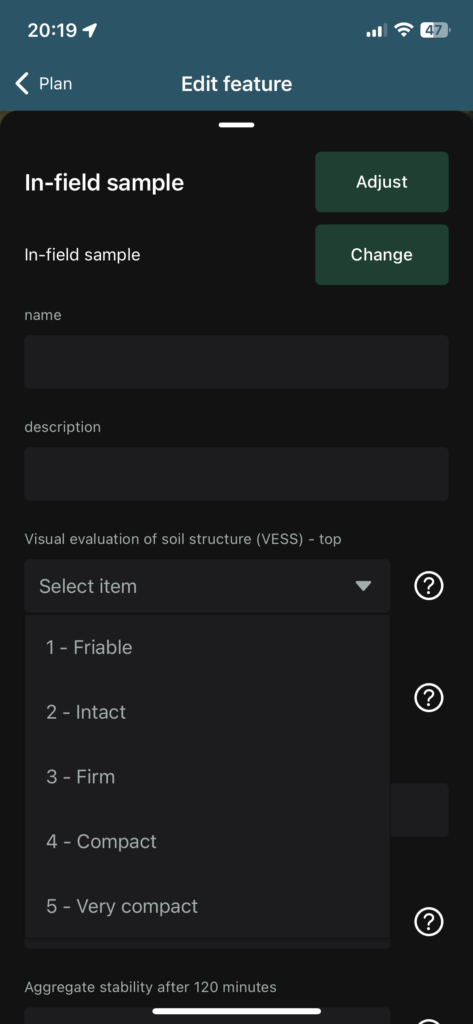
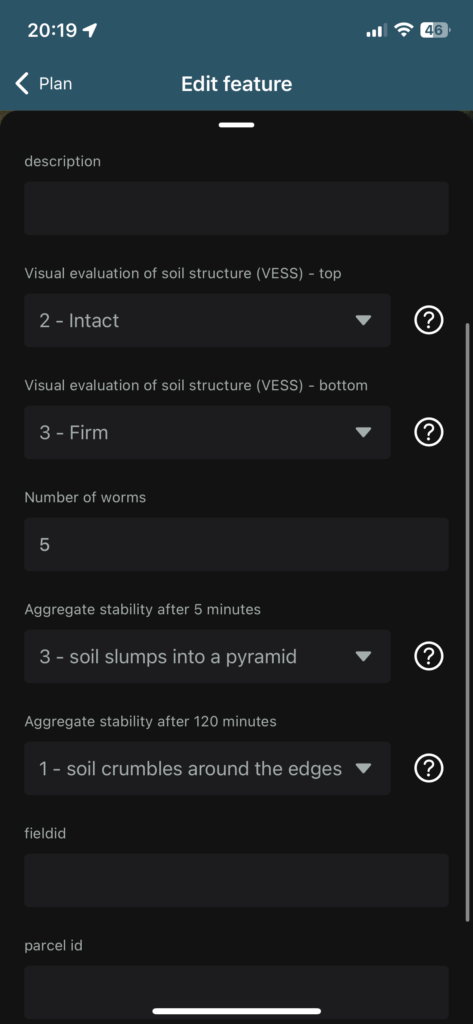
As part of the Agri-Carbon Kernow project in Cornwall, our team played a role in helping develop and test this tool, which is designed to help farmers and land managers record, report, and review both lab and in-field soil measurements.
A Collaborative Effort
Working closely with the Land App team, we brought together our expertise in soil health and carbon to create a digital soil sampling solution that meets real-world needs.
By integrating the robust soil survey methodologies we advocate in our projects into Land App’s platform, we’ve enabled farmers to gain deeper insights into soil health and carbon sequestration potential. The new feature not only helps users assess soil conditions with greater accuracy but also supports more informed decision-making for sustainable land management, as well as the evidence required for the Sustainable Farming Incentive (SFI).
The new Soil Survey feature enhances Land App Mobile’s suite of data collection tools—joining the General Data Collection survey and PTES’ Healthy Hedgerows—to provide reliable insights into soil health, which are essential for informed land management and funding applications.
Why It Matters
Digital Efficiency: Easily record and review soil sample data on the go, including the ability to support evidence required for SFI.
Sustainable Impact: Empowering better land management decisions through accurate, real-time data.
Collaborative Innovation: A tangible outcome of our work in the Agri-Carbon Kernow project, highlighting the benefits of cross-sector collaboration.
We’re proud to have supported Land App in bringing this feature to life and look forward to further innovations and collaborations. This includes using the Land App API to help users seamlessly manage their soil data within each platform.
Thank you to the team at Land App for their partnership—and for the opportunity to help shape tools that support sustainable land management!
Find out more
For further details and to see the Soil Survey feature in action, please refer to the Land App’s guidance.
The key areas of grassland management that are known to significantly reduce greenhouse gas emissions are fertiliser application and management of applications, grazing management, introduction of more diverse species into grassland including legumes and herbs, and correct use and application of farmyard manures and slurries
Effective, efficient use of artificial N fertilisers
Greenhouse gas emissions from synthetic fertilisers is a significant emissions source on grassland farms. 50% of emissions come from the production of the synthetic fertilisers and about 50% from the processes that take place in the soil after application. Estimates suggest that 10-30% of all applied nitrogen fertiliser is lost to the crop or grassland to which it is applied; use efficiency is influenced by application method and environmental conditions at the time of spreading. Make sure soil pH is above 6.5 if possible, soils are not compacted, that soil temperature is warm and rising and that soils are not not waterlogged. Do the basics well and you will get better yield response from your fertilisers and lower GHG emissions.
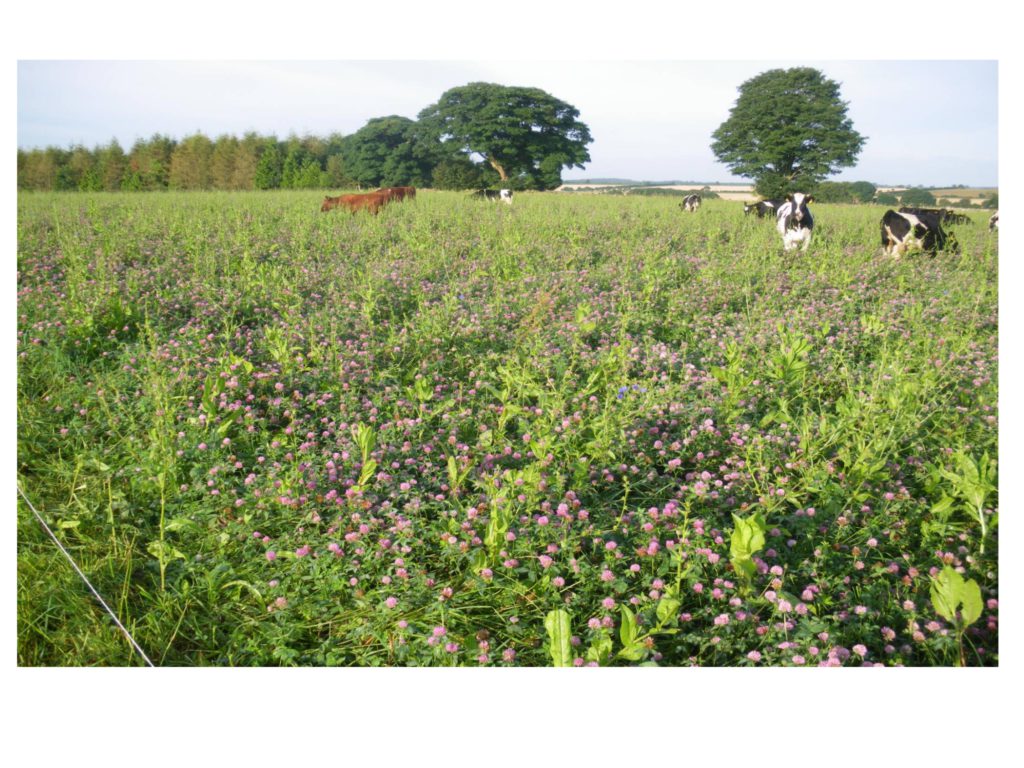
Reliance on Inorganic N fertiliser usage can be reduced through incorporating more legumes into swards. Establishing clover within temporary leys has additional benefits of higher protein forage and also a more diverse rooting system which can aid production in adverse climatic conditions. Typically grass clover swards containing around 30% clover by DM can fix around 120Kg – 180 Kg N /ha/ year. When they are in the sward, this is free nitrogen fertiliser!
As we are coming to appreciate that the nitrous oxide emissions associated with inorganic N fertilisers are a huge part of agriculture’s total emissions, improving N fertiliser use efficiency is critical. Saving 170kg N/ ha across 50ha will reduce emissions by around 58 tonnes CO2e which is more carbon than is sequestered annually in 10ha of broadleaf woodland.
Grazing Management
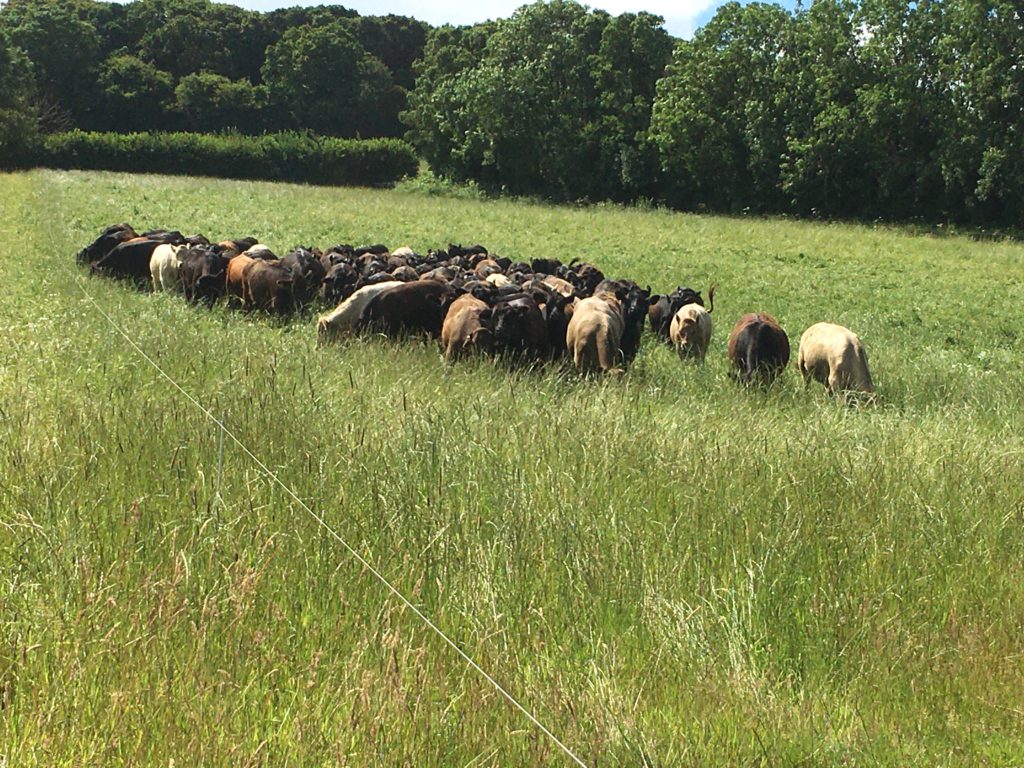
Grazing rotation is an excellent way to increase grass utilisation and reduce GHG emissions. Ensure there are adequate rest periods between grazing cycles to allow the sward to recover to optimise soil and plant health. Consider sub-dividing fields further to allow for more regular livestock movement. The long term effect of increasing rest periods and grazing taller grass is improved soil organic matter and soil structure. This will aid in reducing weed burden, lengthen the grazing season and improve resilience to flood and drought.
Including deeper rooting and more traditional species will increase above and below-ground biodiversity which may increase productivity alongside potential carbon capture and sequestration deeper into the soil profile. Ensure that grassland species composition supports production goals, soil type, soil pH and climatic conditions and consider overseeding where required.
Overseeding permanent pasture with improved diversity can provide a wide array of benefits. If 5 ha permanent pasture was over-seeded or re-seeded to create a herbal ley (consistent with SAM3 SFI) it could provide an additional -15.68 t CO2e of carbon removed per year. This will also build soil health and resilience by optimising the above ground canopy increasing the surface area of leaves for photosynthesis and supporting a greater below ground biodiversity responsible for cycling nutrients.
Accurate consideration of manures and slurries
Sampling and analysis of your farmyard manures and slurries will enable optimal accounting for the nutrients in them. Knowing what you are applying will enhance the accuracy of nutrient management planning and could reduce the requirement for synthetic N fertiliser. Consider the application method when applying organic manures to avoid nutrient losses and if possible cover muck heaps like silage heaps where possible to avoid dilution and runoff of nutrients.
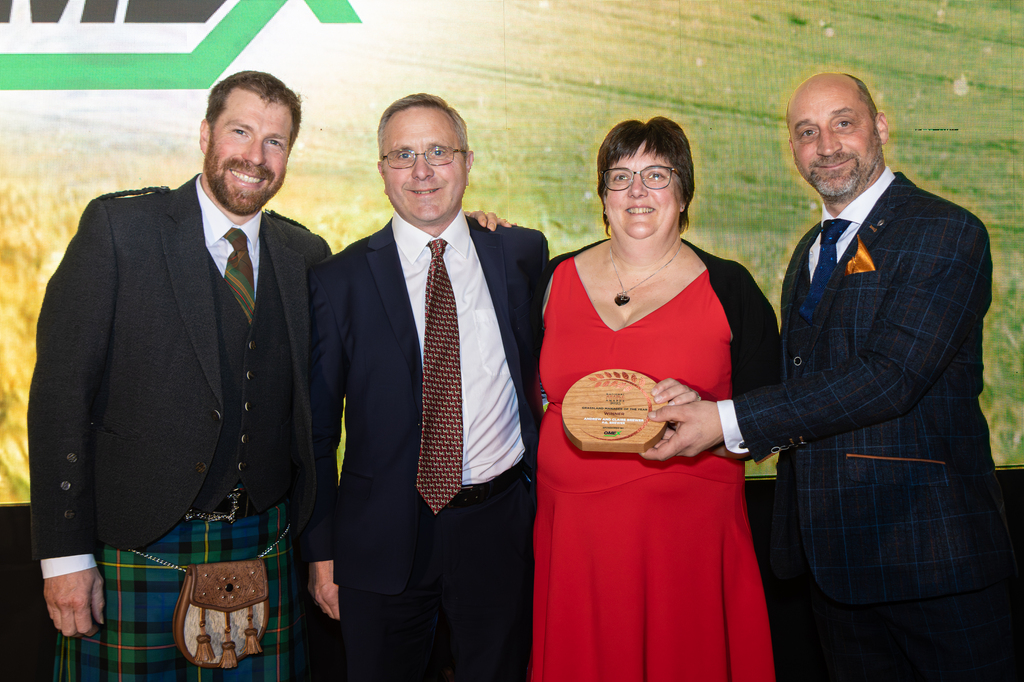
Andrew and Clare Brewer: 2025 winners in the National Arable and Grassland Awards
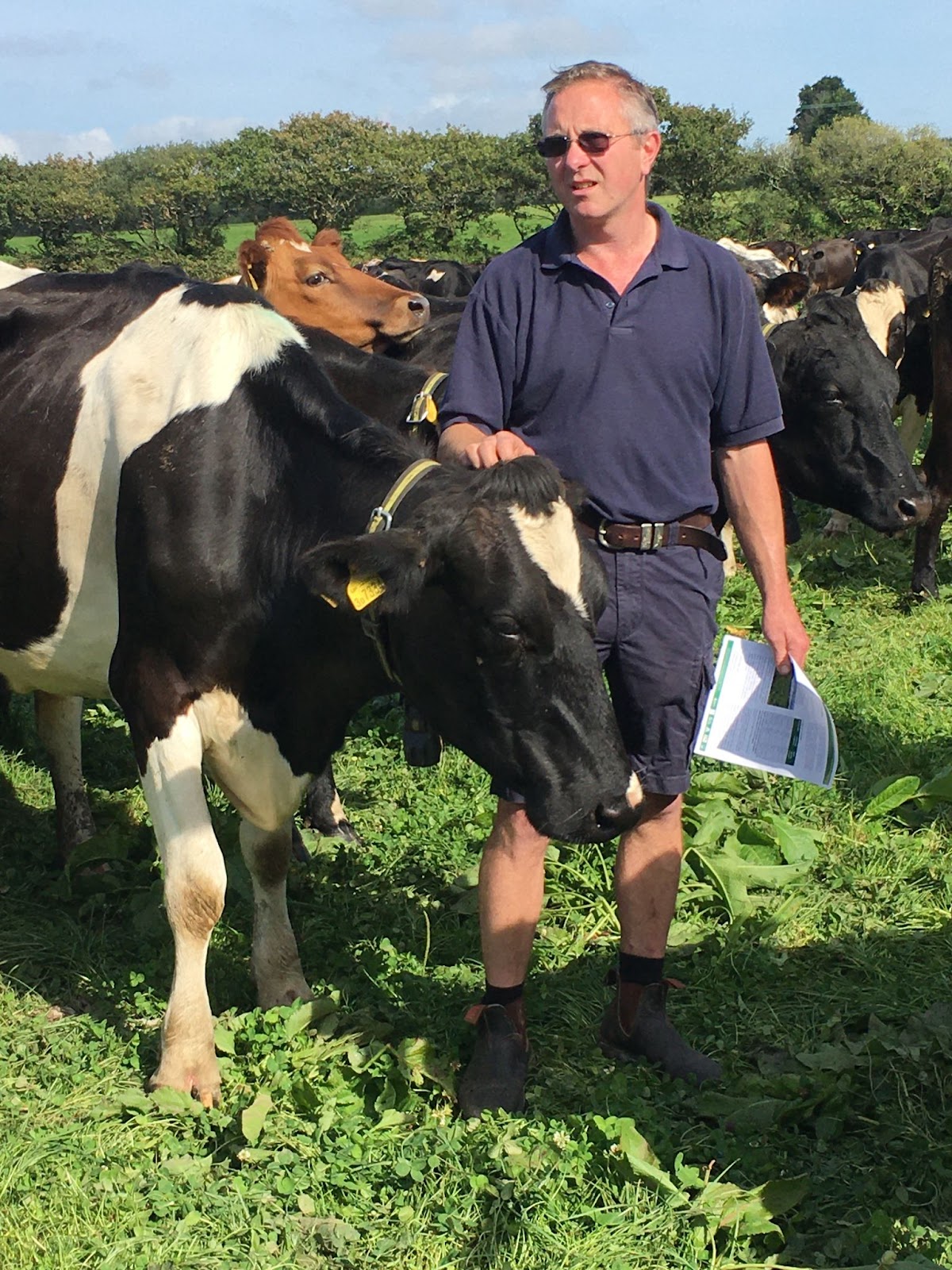
Andrew Brewer is our FCT Carbon Farmer of the Year 2024 and we are delighted to congratulate him and Clare on scooping the National Arable and Grassland award for Grassland Manager of the year. Andrew is also one of our Demonstration Farms in the Farm Net Zero Project in Cornwall which is supported by the National Lottery.
Andrew and Clare are pictured in the centre of the photo with sponsors and judges
They were worthy winners in this category. The Awards are supported by a wide range of industry businesses including BASIS and the National Association of Agricultural Contractors.







Recent Comments